Bún Đậu Mắm Tôm
Bún đậu mắm tôm
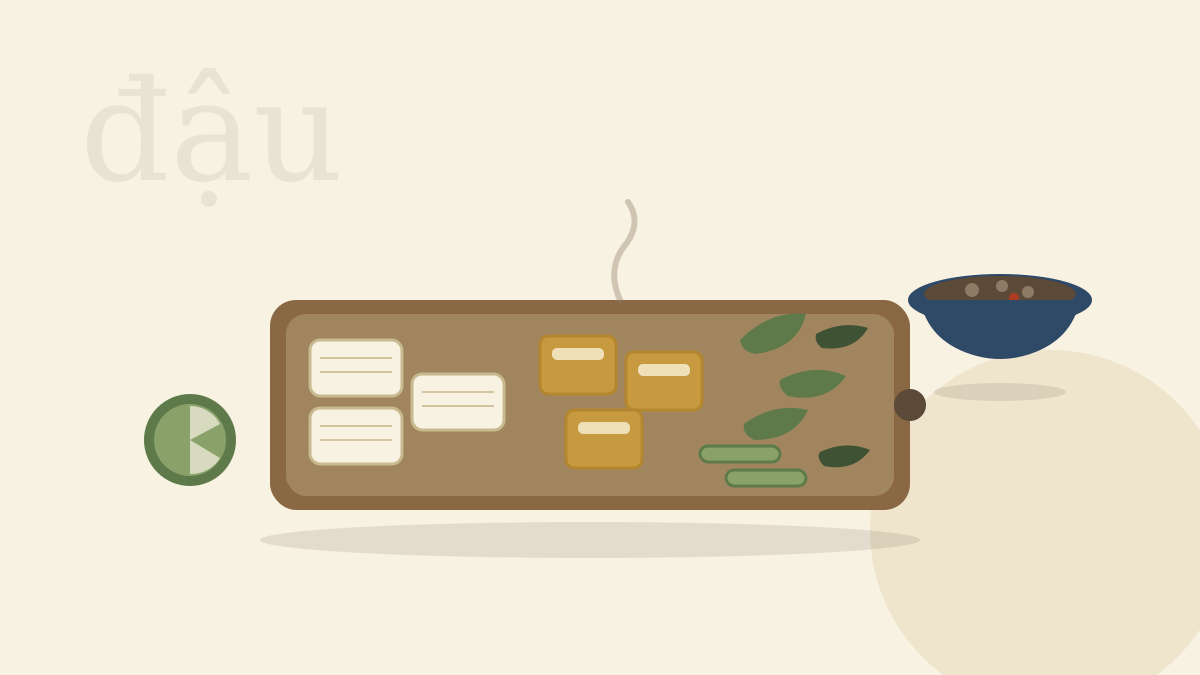
Hanoi's plank lunch — fried tofu, bricks of bún, herbs, and mắm tôm whipped with lime and sugar until it froths. Divisive by design, beloved anyway.
By Vietnamese Cookbook Kitchen · May 13, 2026
Hà Nội & the Red River DeltaĐổi Mới era, 1986–2008
 Phố
Phố- Prep
- 25 min
- Cook
- 20 min
- Serves
- 2
- Level
- Beginner
Mắm tôm is ancient — northern Vietnam has fermented shrimp into that violet paste for as long as anyone has records of the coast. But bún đậu mắm tôm as a genre, the plank lunch, is a creature of the đổi mới decades: when Hanoi's economy reopened after 1986 and office workers spilled into the old quarter's alleys at noon, the cheapest, fastest kitchen possible — a tofu fryer, a basket of pressed noodles, a herb bucket, low plastic stools — became a citywide institution. It is now what Hanoians of a certain age mean when they say lunch, and what they test foreigners with when they mean it kindly.
The dish stands or falls on the sauce ritual. Mắm tôm is whipped, not stirred — lime, sugar, and a spoonful of hot frying oil, beaten until it froths pale and lavender. The whipping aerates the paste and rounds its bass note into something closer to anchovy and brown butter than to the jar's opening argument. Skeptics get the nước chấm off-ramp with no judgment; but the converts — and the converts are many — never come back across.
Fry the tofu last and serve it hissing. Everything else on the board is room-temperature on purpose — the tofu is the only thing that has to be hot, and it has to be genuinely hot.
Lời đầu bếp · A word from the kitchen
Ingredientsnguyên liệu
Serves 2
The board
- 400 gfresh firm tofu — 14 oz — the fresher the better; Vietnamese markets sell đậu phụ made that morning, and it matters here more than anywhere
- 400 gbún lá or fresh thin vermicelli — 14 oz — bún lá are the pressed noodle "bricks" cut into bite-sized slabs; ordinary bún, cooked, drained, and pressed cold in a dish, fakes them respectably
- 1small cucumber — cut in batons
- 1 large plateherbs — perilla (tía tô), mint, Vietnamese balm — perilla is the signature; be generous or be judged
- 300 mlneutral oil — about 1.25 cups, for shallow-frying
The sauce
- 3 tbspmắm tôm (fermented shrimp paste) — the violet kind in the squat jar; Lee Kum Kee shrimp sauce is a different animal — buy the Vietnamese one
- 2 tbspsugar
- 1lime — juiced, spent halves reserved
- 2 tbsphot oil from frying the tofu — spooned straight from the pan
- 1bird's-eye chili — sliced
- As neededa shot of white liquor (rượu trắng) — optional, a teaspoon — the traditional round-off; vodka works
Methodcách làm
Step 1: Set the board
Arrange the bún bricks, cucumber, and washed, bone-dry herbs on a board or platter with room left for the tofu. Bún đậu is served assembled and calm — the drama is supposed to happen in the sauce bowl, not the kitchen.
Step 2: Cut and dry the tofu
Cut the tofu into rough 3 cm blocks and press them dry between towels for ten minutes. Surface water is what spits in the pan and steams the crust soft; dry tofu fries into a bronze jacket over a custard middle.
Step 3: Fry hot and leave it alone
Heat a finger's depth of oil in a wide pan until it shimmers hard, slide in the tofu, and let each face go deep gold before turning — about 3 minutes a side. Move it early and the crust stays behind on the pan. Drain on a rack, and spoon off two tablespoons of the oil for the sauce.
Step 4: Whip the mắm tôm
In a small bowl, combine the mắm tôm, sugar, and lime juice, then pour in the hot tofu oil and whip with chopsticks until the sauce lightens to lavender and froths like a small storm surge. Add chili and the optional teaspoon of liquor. Whipped is the word — a stirred mắm tôm is a punishment; a whipped one is a sauce.
Step 5: Serve while the tofu hisses
Pile the hot tofu onto the board and eat immediately: a slab of bún, a leaf of perilla, a block of tofu, all dredged through the sauce. Each person adjusts their own bowl with more lime or sugar — mắm tôm is a personal setting, like chair height.
Đồ nghề · The tools
Equipment
Spider strainer
Vợt chiênThe wide wire basket that lifts fried food out of the oil in one pass and blanched noodles out of the pot in the next. One tool, half the site.
Shop on Amazon →Long cooking chopsticks
Đũa bếpExtra-long chopsticks for turning frying rolls, loosening noodles, and plucking herbs — the Vietnamese kitchen’s default hand, kept a safe distance from the oil.
Shop on Amazon →
Equipment links are Amazon affiliate links. As an Amazon Associate we earn from qualifying purchases, at no cost to you. Disclosure.
Questions from the kitchen
Is mắm tôm safe during pregnancy?
Treat it as a no. Mắm tôm is fermented raw shrimp and is eaten here uncooked — the spoonful of hot oil perfumes it but does not cook it — so it carries the same caution as other raw fermented seafood for pregnant guests or anyone immunocompromised. The nước chấm off-ramp below exists for exactly this table.
I'm not ready for mắm tôm. Is the dish still worth making?
Completely — this is the accepted off-ramp even in Hanoi, where plenty of tables ask for nước chấm instead. Make the foundations recipe a touch stronger than usual so it can stand up to the fried tofu. You'll have an excellent lunch, and mắm tôm will still be there when your nerve arrives.
What else goes on a real Hanoi board?
The full alley version adds chả cốm (green-rice pork patties), boiled pork belly, and sometimes fried intestine — a board that eats like a tasting menu of textures. The tofu-and-bún core here is the honest baseline; add boiled pork belly first if you're expanding.
Nấu tiếp · Cook next
Keep the burner on
 Phố
PhốStreet Food·55 min·Intermediate
Bánh Mì ThịtBánh mì thịt
The full Saigon cold-cuts bánh mì built at home — crackly baguette, a quick chicken-liver pâté, đồ chua, and a shake of Maggi, assembled in the right order.
 Phố
PhốStreet Food·75 min·Intermediate
Hội An Chicken RiceCơm gà Hội An
Hội An's chicken rice — rice cooked golden in the poaching broth, hand-torn chicken tossed with rau răm and onion, a Hainanese idea gone thoroughly Vietnamese.
 Phố
PhốStreet Food·35 min·Beginner
Đà Lạt Grilled Rice PaperBánh tráng nướng
Đà Lạt's night-market rice paper grill — egg, scallion, and dried shrimp crisped onto bánh tráng. The 'Vietnamese pizza,' translated to a home stove.