Khâu Nhục
Khâu nhục
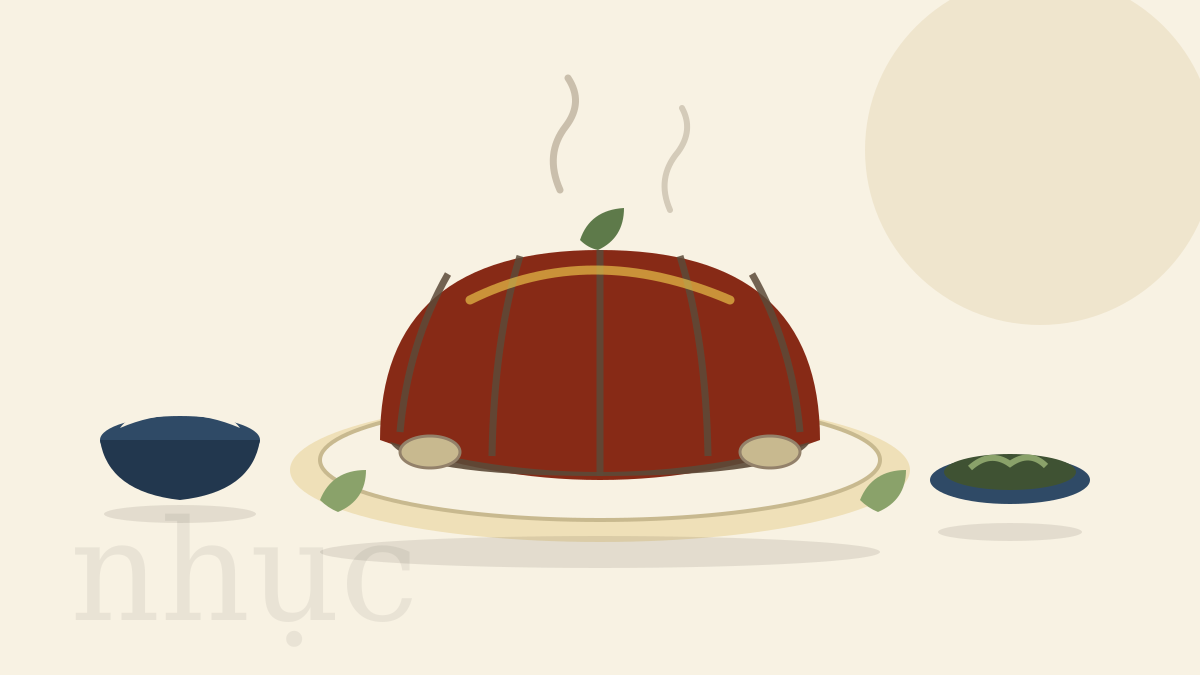
The Tày and Nùng festival pork of Lạng Sơn — belly boiled, fried, sliced, layered with taro and mắc mật, then steamed for hours and turned out like a dome.
By Vietnamese Cookbook Kitchen · April 17, 2026
The Northern HighlandsThe Lê Dynasty era, 1428–1789
 Kho
Kho- Prep
- 75 min
- Cook
- 300 min
- Serves
- 6
- Level
- Advanced
Khâu nhục is Cantonese and Hakka kòu ròu — "upturned meat" — that crossed the border passes into Lạng Sơn and Cao Bằng and settled in for good. The Tày and Nùng, the Tai-speaking peoples who have farmed those limestone valleys since before the Lê kings taxed them, took the Chinese banquet technique and made it theirs with the mountain's own seasoning: mắc mật leaf and fruit, packed between slices of belly and fried taro. It remains a dish of occasions — weddings, funerals, the lunar new year — counted out in bowls per table, one dome per eight guests, its presence a measure of the family's respect for the day.
Nothing about it is difficult; everything about it is long. Boil, fry, soak, slice, steam for four hours, and ideally sleep before eating — every stage exists to transform the skin, from tough to crackled to blistered to, finally, a trembling amber velvet that outranks the meat beneath it. This is the overnight logic of festival cooking: the work happens the day before so the day itself is free for guests. Flip the bowl at the table if you want the gasp. You have earned it, or rather yesterday you did.
Make it a day ahead on purpose. Chilled overnight in its bowl, the fat settles into the sauce and the slices firm up; the second steaming turns it out cleaner and tasting deeper than it ever does on day one.
Lời đầu bếp · A word from the kitchen
Ingredientsnguyên liệu
Serves 6
The pork
- 1 kgpork belly, in one slab — about 2¼ lb, skin on, evenly thick — this dish is the skin's audition, so don't accept a slab without it
- 1 tbspdark soy sauce — for painting the skin before frying
- 250 mlneutral oil — 1 cup, for shallow-frying the skin
The taro layer
- 400 gtaro — about 14 oz, peeled and cut into slices the size of the pork pieces; the small, dense khoai môn from Asian markets holds best
The marinade
- 2 tbspsoy sauce
- 1 tbspfermented soybean paste (tương) — or 1 cube red fermented bean curd (chao đỏ), mashed — the deep, funky backbone
- 1 tbsphoney
- 1 tbsprice wine
- 1 tspfive-spice powder
- 12mắc mật leaves — bruised; plus 1 tbsp dried mắc mật fruit if your grocer carries it. Bay plus makrut lime leaf is the workable substitute
- 4garlic cloves — minced
Methodcách làm
Step 1: Boil the belly
Simmer the whole slab in water for 30 minutes, until a chopstick slides into the meat with mild protest. This par-cook sets the slab so it slices cleanly later, and plumps the skin for what comes next.
Step 2: Prick, paint, and fry the skin
Dry the slab well, then prick the skin all over with a fork or skewer — dozens of holes, more than feels reasonable — and paint it with dark soy. Shallow-fry skin-side down in hot oil, lid at the ready as a shield, 5–8 minutes until deep mahogany and blistered.
Step 3: Soak to blister
Plunge the fried slab skin-down into cold water for 30 minutes. The soak is the magic trick — the crackled skin drinks, softens, and wrinkles into the velvet-pillow texture that lets it melt rather than chew after steaming.
Step 4: Slice and marinate
Cut the slab into slices a finger thick, keeping skin on every piece, and toss gently with the marinade. Fry the taro slices in the same oil until their edges gild, about 3 minutes.
Step 5: Layer and steam long
In a deep heatproof bowl, arrange the pork skin-side DOWN in an overlapping fan, alternating each slice with taro, and pour over any remaining marinade with the bruised leaves. Cover and steam 4 hours, topping up the steamer as needed — the collagen needs every minute.
Step 6: Invert and serve
Set a lipped plate over the bowl and flip in one committed motion. The dome that emerges — burnished skin up, taro hidden inside, sauce running down — is served with rice and pickled mustard greens to cut the richness.
Đồ nghề · The tools
Equipment
Claypot
Thố đấtThe vessel kho was invented in — clay heats slowly, holds a caramel simmer without scorching, and goes straight to the table still bubbling. Season it once with rice water and it outlives you.
Shop on Amazon →Bamboo steamer
Xửng hấpFor bánh bao, xôi, and fish steamed whole — bamboo breathes, so nothing drips condensation back onto your work. Line it with a cabbage leaf, not parchment, and steal the leaf after.
Shop on Amazon →
Equipment links are Amazon affiliate links. As an Amazon Associate we earn from qualifying purchases, at no cost to you. Disclosure.
Questions from the kitchen
Can I shorten the steaming?
Two hours gives you good braised pork; four gives you khâu nhục — slices that hold their shape until touched, then surrender completely. A pressure cooker manages it in about 75 minutes at high pressure with an honest loss of nuance. The dish was built for hearths with time on their hands.
What if I can't find taro?
Sweet potato is the common stand-in and steams a shade sweeter and softer; some families in Lạng Sơn use it by preference. Yukon gold potatoes hold their shape but bring less to the party. Skip the layer entirely and the dish still works — it is just lonelier.
Why does mine fall apart when I flip it?
Either the bowl was too shallow for a snug fan of slices, or the flip hesitated. Pack the slices tightly against the bowl's curve, pour off excess liquid into a cup before inverting (add it back after), and commit — a slow flip is how domes become rubble.
Nấu tiếp · Cook next
Keep the burner on
 Kho
KhoKho & the Claypot·35 min·Beginner
Tamarind-Glazed SquidMực rim me
Squid lacquered in sticky tamarind and fish sauce — the central coast's great beer snack, plus the science of keeping squid tender, not rubbery.
 Kho
KhoKho & the Claypot·180 min·Intermediate
Beef Stew with Star Anise & LemongrassBò kho
Saigon's French-Vietnamese beef stew — chuck braised with lemongrass, star anise, and annatto until the broth is the point, eaten with torn baguette or noodles.
 Kho
KhoKho & the Claypot·60 min·Intermediate
Claypot Caramel FishCá kho tộ
Catfish braised in bittersweet nước màu caramel and fish sauce until the sauce turns mahogany — the Mekong Delta's claypot standard, saucepan route included.