Field-Crab Hotpot
Lẩu cua đồng
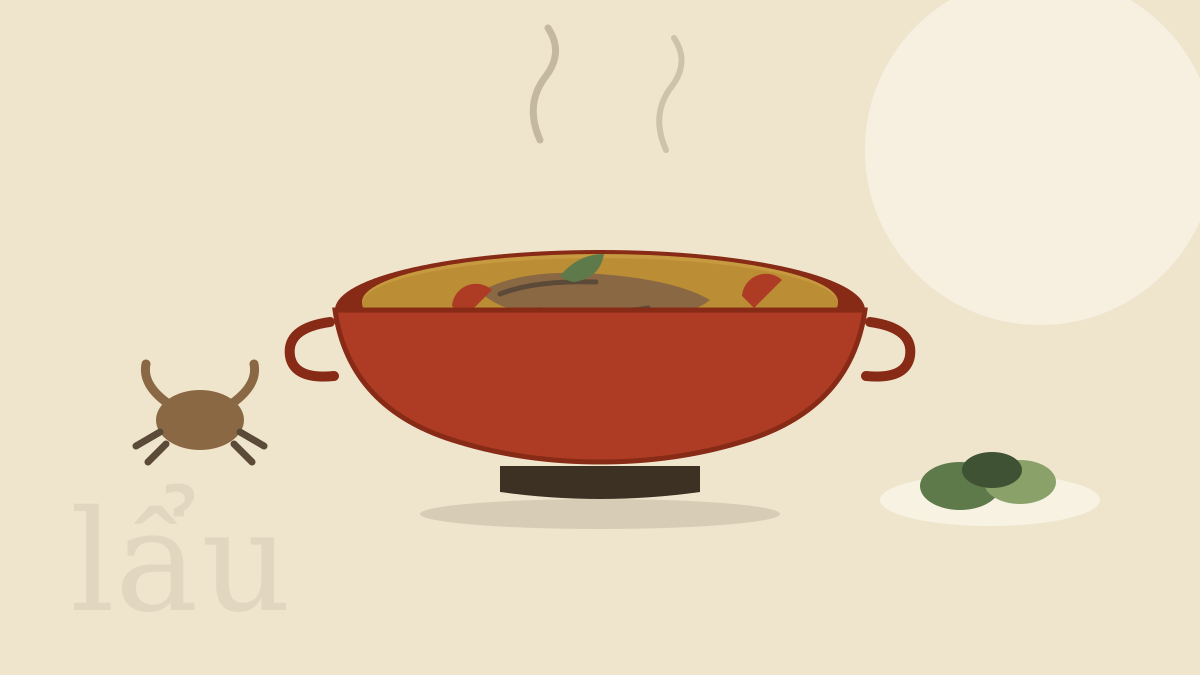
Hải Phòng's communal pot — a paddy-crab broth capped with a floating crab raft, then beef, fried tofu, and greens cooked at the table by everyone.
By Vietnamese Cookbook Kitchen · April 9, 2026
Hải Phòng & the Northern CoastĐổi Mới era, 1986–2008
 Kho
Kho- Prep
- 40 min
- Cook
- 40 min
- Serves
- 6
- Level
- Intermediate
Cua đồng — the small brown crab of flooded rice paddies — has fed the Red River delta for as long as anyone has records of the delta eating. Pounded and strained into canh and bún riêu, it was peasant protein, free for the catching. The lẩu, the tabletop hotpot, is the newer half of the marriage: hotpot restaurants multiplied through the đổi mới years as gas burners got cheap and eating out became ordinary, and lẩu cua đồng became a northern group-dinner default. Hải Phòng, with paddies on one side and an appetite for crowded tables on the other, claims some of the best of them.
The pot rewards restraint more than skill. The crab liquid must come up to heat slowly and untouched, so the protein gathers into its soft floating raft — once the pot warms, the spoon is retired. After that the dish runs itself: sour tomato broth underneath, raft on top, and an hour of communal traffic in beef, tofu, and greens. A hotpot is the rare recipe where the cook gets to sit down and eat with everyone else, which may explain its popularity among cooks.
Once the crab raft starts forming, put the spoon down and walk away from the pot. Every broken raft I have ever seen was stirred to death by a cook who meant well.
Lời đầu bếp · A word from the kitchen
Ingredientsnguyên liệu
Serves 6
Crab broth
- 400 gfrozen ground field-crab paste (cua đồng xay) — about 14 oz — sold in flat frozen packets in Vietnamese freezer aisles, sometimes labeled "ground freshwater crab"; or pound 1 kg live paddy crabs if your market runs to them
- 2.5 Lwater — about 10 cups
- 1 tspsalt
- 4ripe tomatoes — in wedges
- 2shallots — sliced
- 60 mlgiấm bỗng (fermented rice vinegar) — 4 tbsp; plain rice vinegar plus a pinch of sugar is the stand-in
- 30 mlfish sauce — 2 tbsp, plus more to correct
- 1 tspmắm tôm (fermented shrimp paste) — optional but northern — it deepens rather than announces itself
For the table
- 300 gbeef sirloin — about 10 oz, sliced paper-thin; freeze 30 minutes first for clean slicing
- 300 gfried tofu puffs — about 10 oz, halved
- 500 gfresh bún or 300 g dried — rice vermicelli, cooked and rinsed
- 1large bunch water spinach (rau muống) — split stems and leaves; morning glory at the Asian market
- 1bunch perilla and Vietnamese balm — or whatever soft herbs the market offers — quantity beats pedigree
- 1banana blossom — optional, shaved and soaked in lemon water
Methodcách làm
Step 1: Make the crab liquid
Whisk the thawed crab paste and salt into the cold water, let the solids settle a minute, then pour through a sieve into your hotpot vessel, pressing the shell grit left behind. Everything that matters — protein, fat, flavor — is now in the liquid.
Step 2: Raise the raft
Set the pot over medium heat and bring it up slowly, without stirring once it warms. The crab protein will gather and float into a soft brown raft (riêu) as it approaches a simmer. Lift the raft off gently with a skimmer and reserve it — it goes back on top at the table.
Step 3: Build the broth around it
Fry the shallots in a little oil, soften the tomatoes with them, and slide both into the broth with the giấm bỗng, fish sauce, and mắm tôm if using. Simmer ten minutes; it should taste sour-savory and slightly too assertive, because a hotpot broth dilutes as it cooks dinner.
Step 4: Set the table
Bring the pot to a portable burner at a simmer, float the crab raft back on top, and surround it with platters — beef, tofu puffs, noodles, greens, herbs, banana blossom. This is the entire theater of the dish; the cooking is now communal property.
Step 5: Cook as you eat
Diners swish beef slices for seconds, drop in tofu and greens by the handful, and ladle broth over noodles in their bowls. Keep the pot at a live simmer throughout — beef through the raft's territory is the one crime; give the raft its corner of the pot.
Đồ nghề · The tools
Equipment
Claypot
Thố đấtThe vessel kho was invented in — clay heats slowly, holds a caramel simmer without scorching, and goes straight to the table still bubbling. Season it once with rice water and it outlives you.
Shop on Amazon →Portable gas burner
Bếp ga miniLẩu is not lẩu if someone has to keep walking to the stove. The tabletop butane burner turns a pot of broth into a two-hour dinner party.
Shop on Amazon →Fine-mesh skimmer
Vợt vớt bọtClear phở broth is not a trick, it is patience with a skimmer — take the scum off early and often and the pot rewards you with glass.
Shop on Amazon →Mortar & pestle
Cối chàyLemongrass, garlic, and chilies pounded release oils a blender never finds — it bruises where blades slice. The sound of a Vietnamese kitchen starting dinner.
Shop on Amazon →Mandoline
Bàn bàoĐồ chua lives or dies on evenness — carrot and daikon cut to the same whisper-thin matchstick pickle at the same speed. Use the guard; every Vietnamese grandmother has the scar that says otherwise.
Shop on Amazon →Fine sieve / muslin
Rây lọcFor straining broth crystal-clear, squeezing coconut milk, and working tamarind pulp through into pure sour. Line it with muslin when the recipe says “clear” and means it.
Shop on Amazon →
Equipment links are Amazon affiliate links. As an Amazon Associate we earn from qualifying purchases, at no cost to you. Disclosure.
Questions from the kitchen
What exactly is the frozen crab paste, and does it work?
Whole paddy crabs — the small brown crabs of northern rice fields — cleaned and ground, shell and all, then frozen in flat packets. It's how most overseas Vietnamese cooks make this dish, and honestly how plenty of urban Vietnamese cooks do too. The raft it raises is a shade less rich than fresh-pounded crab, and no guest has ever sent it back.
My raft broke into gray flecks. What happened?
Either the heat came up too fast or a spoon went in at the wrong moment. The proteins need slow, undisturbed heat to knit together — medium flame, no stirring after the liquid is warm. Broken raft still tastes right; ladle it over noodles and call it rustic.
What else can go in the pot?
Almost anything that cooks quickly — Vietnamese pork sausage, clams, more tofu, mushrooms, instant noodles at the shameless end of the evening. The broth is the constant; the platters are negotiable. Just keep raw meats on their own plate with their own chopsticks until cooked.
Nấu tiếp · Cook next
Keep the burner on
 Kho
KhoKho & the Claypot·35 min·Beginner
Tamarind-Glazed SquidMực rim me
Squid lacquered in sticky tamarind and fish sauce — the central coast's great beer snack, plus the science of keeping squid tender, not rubbery.
 Kho
KhoKho & the Claypot·180 min·Intermediate
Beef Stew with Star Anise & LemongrassBò kho
Saigon's French-Vietnamese beef stew — chuck braised with lemongrass, star anise, and annatto until the broth is the point, eaten with torn baguette or noodles.
 Kho
KhoKho & the Claypot·60 min·Intermediate
Claypot Caramel FishCá kho tộ
Catfish braised in bittersweet nước màu caramel and fish sauce until the sauce turns mahogany — the Mekong Delta's claypot standard, saucepan route included.