Phan Thiết Lẩu Thả
Lẩu thả
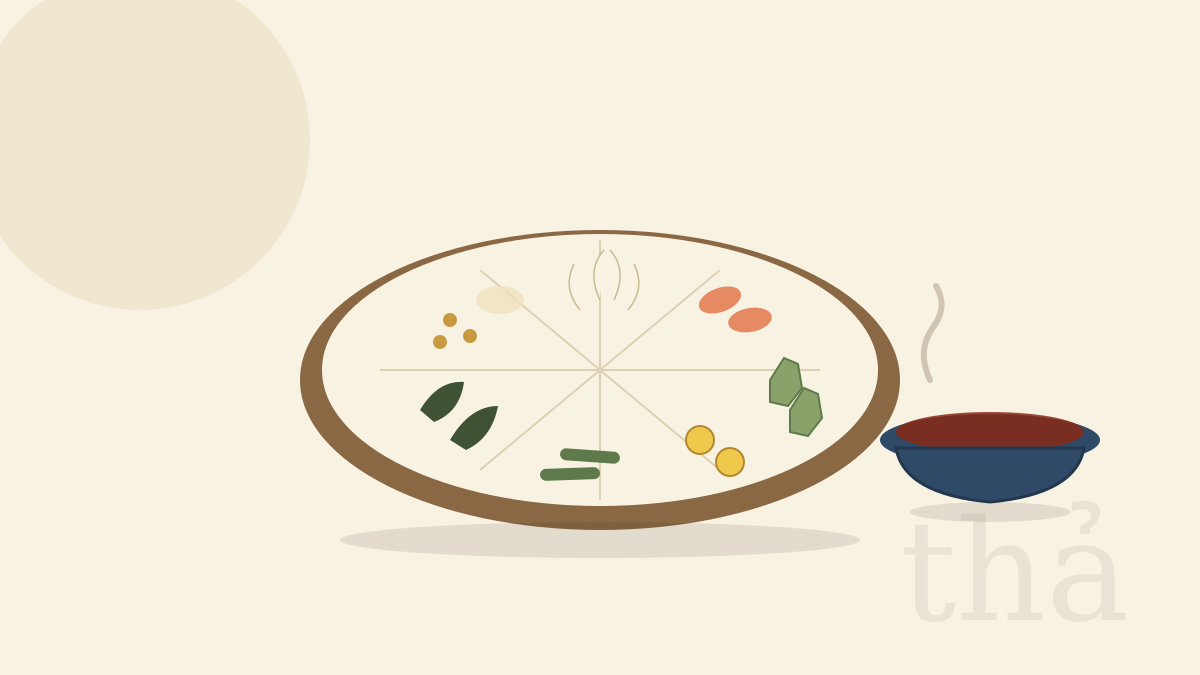
Phan Thiết's "dropped hotpot" — a flower-plate mise en place of raw fish, herbs, and pickles that diners drop into broth themselves, composed once and cooked twice.
By Vietnamese Cookbook Kitchen · March 25, 2026
The South Central CoastĐổi Mới era, 1986–2008
 Kho
Kho- Prep
- 60 min
- Cook
- 20 min
- Serves
- 4
- Level
- Advanced
Phan Thiết's coast gave the world nước mắm by the barrel and, less famously, this: a dish built less like a hotpot than like a garden laid out on a plate. Lẩu thả arranges raw fish cured in lime beside shredded young coconut, green banana, star fruit, herbs, and peanuts in a radiating fan, then hands each diner a pot of hot broth and rice paper and lets them decide what happens next. It rose to prominence during the đổi mới years as Phan Thiết and Mũi Né built out from fishing towns into resort destinations, a dish elaborate enough to anchor a special-occasion table and photogenic enough to travel by word of mouth long before social media existed to spread it faster.
The trick is sequencing, not cooking: the plate is composed before the pot ever boils, since a lẩu thả assembled in a hurry looks like a salad that lost an argument. Guests wrap a rice-paper roll from whichever petal of the plate calls to them, dip it briefly in the broth if they want it warm, and finish it in mắm nêm. No two rolls taste alike, which is precisely why the dish rewards a table willing to sit with it for an hour rather than a person eating alone.
Build the plate before you build the broth. Lẩu thả is judged on the fan of colors first and the taste second — a beautiful plate photographs the dish's whole argument before anyone lifts a chopstick.
Lời đầu bếp · A word from the kitchen
Ingredientsnguyên liệu
Serves 4
The fish
- 400 gsashimi-grade mackerel or tuna, very fresh — about 14 oz — ask specifically for sashimi grade; this fish is served raw before it meets the broth
- 3 tbspfresh lime juice — for a brief cure on the fish, not a full ceviche
- 1 tspfine salt
The broth
- 1.5 lfish or pork stock — 6 cups — a light, clean stock; the flower plate carries the flavor, not the broth
- 2 stalkslemongrass, bruised and cut into lengths
- 4shallots, halved
- 2 tbspfish sauce
- 1 tbsptamarind pulp, dissolved in 2 tbsp hot water — for a faint sour edge; central-coast versions run gentler than Mekong sour soups
- 1pinch sugar
The flower plate
- 200 gfresh coconut, shredded into fine threads — about 2 cups loosely packed — young coconut meat, shredded on a mandoline; this is the dish's signature texture
- 150 ggreen banana, thinly sliced and held in acidulated water — about 1 cup slices; keeps it from browning before serving
- 150 gstar fruit, thinly sliced
- 1cucumber, in fine batons
- 2 handfulsmixed herbs — mint, perilla, Vietnamese coriander (rau răm), and lettuce leaves
- 50 groasted peanuts, crushed
- 100 grice vermicelli (bún), cooked and cooled
To serve
- 12rice paper rounds
- 240 mlmắm nêm or peanut hoisin dip — 1 cup — this is the dish's namesake province's own mắm nêm, thinned with pineapple and lime; see our mắm nêm pha foundations page
Methodcách làm
Step 1: Cure the fish briefly
Slice the fish thin against the grain, toss with lime juice and salt, and let it sit 10 minutes — just enough for the surface to firm and turn opaque at the edges while the center stays raw-fresh. This is a flash cure, not a full ceviche; it should still taste like fish, not like lime.
Step 2: Build the broth
Simmer the stock with lemongrass and shallots 15 minutes, then season with fish sauce, the tamarind water, and sugar to a light, faintly sour background — it should taste like something you'd be happy to sip on its own, since it's about to carry everything else's flavor to the table.
Step 3: Arrange the flower plate
On a large round platter, arrange the coconut, banana, star fruit, cucumber, herbs, peanuts, and cured fish in distinct wedges radiating from the center, like petals — this composed fan is what gives lẩu thả (literally "dropped hotpot") its name, and its reputation as one of the coast's most photographed dishes.
Step 4: Set the table for self-assembly
Bring the hot broth to the table in a pot over a burner, with the flower plate, rice paper, softening water, and vermicelli alongside. Each diner wraps rice paper around a little of everything from the plate, then either eats it as a cold roll or drops it briefly into the hot broth to warm through — the "thả," the drop, is a verb each guest performs themselves.
Step 5: Finish rolls with the dip
Dip each roll in the mắm nêm or peanut sauce. The point of the dish is variety within one sitting — a bite that's mostly raw fish and lime tastes nothing like the next one built mostly from coconut and herbs, and that range is deliberate.
Đồ nghề · The tools
Equipment
Claypot
Thố đấtThe vessel kho was invented in — clay heats slowly, holds a caramel simmer without scorching, and goes straight to the table still bubbling. Season it once with rice water and it outlives you.
Shop on Amazon →Portable gas burner
Bếp ga miniLẩu is not lẩu if someone has to keep walking to the stove. The tabletop butane burner turns a pot of broth into a two-hour dinner party.
Shop on Amazon →Mandoline
Bàn bàoĐồ chua lives or dies on evenness — carrot and daikon cut to the same whisper-thin matchstick pickle at the same speed. Use the guard; every Vietnamese grandmother has the scar that says otherwise.
Shop on Amazon →
Equipment links are Amazon affiliate links. As an Amazon Associate we earn from qualifying purchases, at no cost to you. Disclosure.
Questions from the kitchen
Can I skip the raw fish?
You can build a fully cooked version with poached shrimp or blanched squid instead, and it is still recognizably lẩu thả — but the raw, lime-cured fish is the dish's calling card in Phan Thiết, and a lot of the "drop it in broth or don't" choice depends on it staying rare in the center.
Where does the name actually come from?
Thả means "to drop" or "to release" — diners drop wrapped bites into the hot broth rather than the cook doing the simmering, which is the opposite instinct of most hotpots. Locals also read it as the ingredients being "scattered" across the plate like petals; both readings are common and neither cancels the other out.
This looks like a lot of components for a weeknight.
It is, and Phan Thiết treats it as a special-occasion or weekend dish for exactly that reason. Do the fish, broth, and shredded coconut a few hours ahead and refrigerate separately, then assemble the plate just before guests arrive — the assembly itself takes fifteen minutes once every component is ready.
Nấu tiếp · Cook next
Keep the burner on
 Kho
KhoKho & the Claypot·35 min·Beginner
Tamarind-Glazed SquidMực rim me
Squid lacquered in sticky tamarind and fish sauce — the central coast's great beer snack, plus the science of keeping squid tender, not rubbery.
 Kho
KhoKho & the Claypot·180 min·Intermediate
Beef Stew with Star Anise & LemongrassBò kho
Saigon's French-Vietnamese beef stew — chuck braised with lemongrass, star anise, and annatto until the broth is the point, eaten with torn baguette or noodles.
 Kho
KhoKho & the Claypot·60 min·Intermediate
Claypot Caramel FishCá kho tộ
Catfish braised in bittersweet nước màu caramel and fish sauce until the sauce turns mahogany — the Mekong Delta's claypot standard, saucepan route included.