Duck & Fermented-Tofu Hotpot
Vịt nấu chao
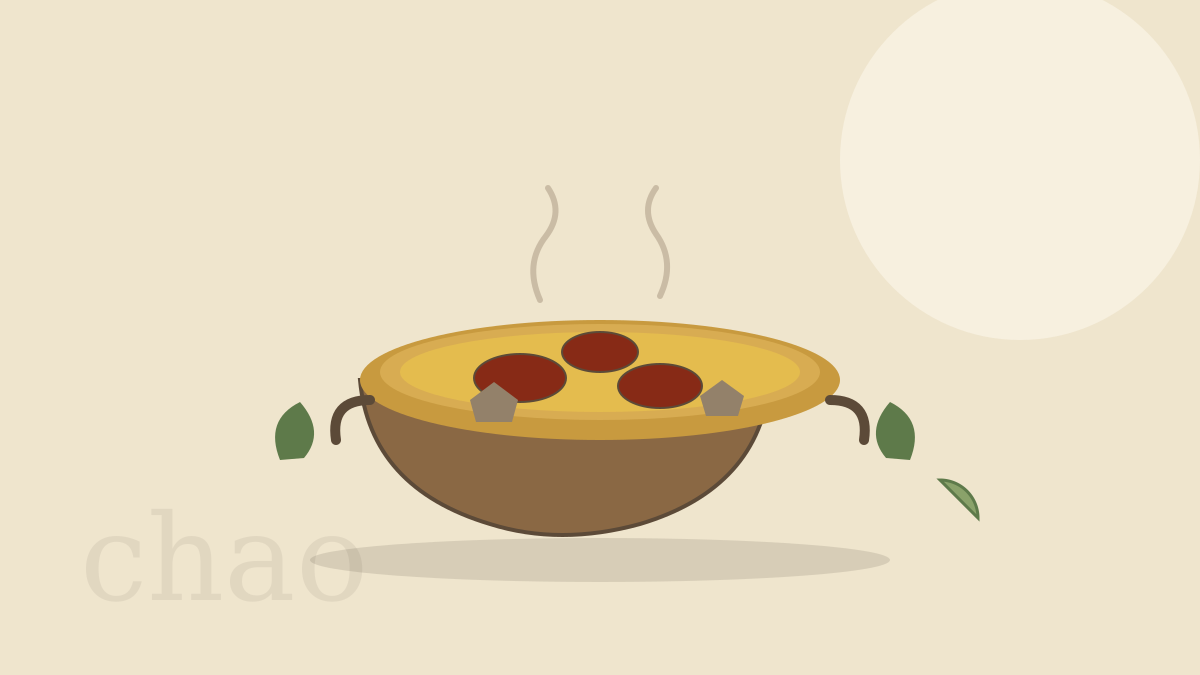
Duck simmered in chao — fermented tofu — until the broth turns creamy and faintly funky, with taro to thicken it. The Mekong Delta's favorite hotpot.
By Vietnamese Cookbook Kitchen · April 24, 2026
The Mekong DeltaThe Lê Dynasty era, 1428–1789
 Kho
Kho- Prep
- 25 min
- Cook
- 50 min
- Serves
- 4
- Level
- Intermediate
Vịt nấu chao is a Mekong Delta hotpot built on chao — fermented tofu, a preservation technique shared across Vietnamese and southern Chinese kitchens, brought south by Hoa (ethnic Chinese) communities who settled throughout the delta alongside Vietnamese and Khmer neighbors from the seventeenth century onward. Cured soybean curd, salted and left to ferment until it turns creamy and assertive, might sound like an odd match for duck, but the delta's cooks paired them because both are rich enough to stand up to each other — one from fat, the other from funk. It shows up on family tables and at street-side hotpot stalls alike, usually with a folding burner and a crowd of chopsticks reaching in.
The whole dish depends on treating chao like a seasoning rather than a garnish: mash it into the marinade so it works into the duck itself, then let the broth carry its tang the entire simmer rather than adding it at the end. Taro joins for a reason beyond bulk — it breaks down just enough to thicken the broth into something that coats a noodle properly, and it must be cooked through completely, no exceptions. What results is a hotpot that reads exotic on paper and comforting in the bowl, the kind of dish regulars order without needing to explain it to the table.
Mash the chao cubes into a paste before they meet the pot, not after. Whole cubes dropped into hot broth dissolve unevenly and leave pockets of raw funk instead of a broth that tastes seasoned all the way through.
Lời đầu bếp · A word from the kitchen
Ingredientsnguyên liệu
Serves 4
Duck and marinade
- 1.2 kgduck, cut into 8 pieces — bone-in, skin on; ask your butcher to cut it, or buy duck legs and thighs if that's easier to source
- 3cubes fermented tofu (chao trắng) — plus 2 tbsp of the brine from the jar — white fermented bean curd, sold jarred at any Vietnamese grocery; see the FAQ before you flinch at it
- 2garlic cloves — minced
- 1 tbspsugar
- 1 tspground black pepper
Broth
- 30 mlneutral oil — 2 tbsp
- 1small yellow onion — sliced
- 3lemongrass stalks — bruised and cut into 8 cm lengths
- 800 mlcoconut water — or chicken stock, if you'd rather not go fully sweet
- 400 gtaro root — peeled and cut into thick chunks — it breaks down slightly as it cooks and thickens the broth; this is the dish's rule, not an optional vegetable
- 30 mlfish sauce — 2 tbsp, to taste
To serve
- 300 grice vermicelli (bún) or egg noodles
- 1 handfulwater spinach or mustard greens — for the hotpot's finish, added at the table
- 1 handfulVietnamese coriander (rau răm) — roughly chopped
- 1lime, cut into wedges
- 2bird's-eye chilies — sliced
Methodcách làm
Step 1: Mash the chao and marinate the duck
Mash the fermented tofu cubes with their brine into a smooth paste, then rub it over the duck pieces with the garlic, sugar, and pepper. Let it sit at least 20 minutes at room temperature — chao seasons duck the way miso seasons pork, deep and slow, and this step should not be rushed past 10 minutes.
Step 2: Sear the duck
Heat the oil in a heavy pot over medium-high and brown the duck pieces skin-side down first, rendering some fat and building color, about 4 minutes a side. Work in batches if the pot is crowded — steamed duck skin never browns.
Step 3: Build the broth
Add the onion and lemongrass to the pot and stir 1 minute in the duck fat, then pour in the coconut water, scraping up any browned bits. Bring to a boil, then drop to a simmer, cover, and cook 30 minutes until the duck is tender but not falling apart.
Step 4: Add the taro
Add the taro chunks and simmer, uncovered, 15 more minutes, until they're fork-tender and the broth has gone slightly cloudy and thick from the starch they shed. Taro must be fully cooked before eating — raw or undercooked taro carries a natural irritant that cooking neutralizes completely.
Step 5: Season and finish
Stir in the fish sauce and taste — the broth should be rich, faintly funky from the chao, and just savory enough to want a second bowl. Adjust with more fish sauce or a splash of water if the chao's tang is running loud.
Step 6: Serve as a hotpot
Bring the pot to the table over a portable burner if you have one, with the noodles, greens, herbs, lime, and chili on the side for everyone to add to their own bowl. Cook the greens in the simmering broth just before eating — they should barely wilt.
Đồ nghề · The tools
Equipment
Claypot
Thố đấtThe vessel kho was invented in — clay heats slowly, holds a caramel simmer without scorching, and goes straight to the table still bubbling. Season it once with rice water and it outlives you.
Shop on Amazon →Heavy pot / Dutch oven
Nồi dàyDeep, heat-retentive, and stable — for deep-frying without temperature crashes, and for bò kho and cà ri when the claypot is too small for the crowd.
Shop on Amazon →Portable gas burner
Bếp ga miniLẩu is not lẩu if someone has to keep walking to the stove. The tabletop butane burner turns a pot of broth into a two-hour dinner party.
Shop on Amazon →Bamboo steamer
Xửng hấpFor bánh bao, xôi, and fish steamed whole — bamboo breathes, so nothing drips condensation back onto your work. Line it with a cabbage leaf, not parchment, and steal the leaf after.
Shop on Amazon →
Equipment links are Amazon affiliate links. As an Amazon Associate we earn from qualifying purchases, at no cost to you. Disclosure.
Questions from the kitchen
What is chao, and is it safe to eat?
Chao is fermented tofu — soybean curd cured with salt, sometimes rice wine, until it turns soft, pungent, and faintly cheese-like, a centuries-old preservation technique shared across Vietnamese and Chinese kitchens. Jarred commercial chao is shelf-stable and safe; treat it the way you would a jar of miso or fermented black beans — refrigerate after opening, use a clean spoon, and it keeps for months.
Why does the recipe insist on cooking the taro fully?
Raw and undercooked taro contains calcium oxalate crystals that irritate the mouth and throat — the same compound behind raw taro's itchy reputation — and thorough cooking breaks it down completely. Fork-tender is the test: if a knife meets any resistance in the center, give it more time before serving.
Can I make this with chicken instead of duck?
Yes, though duck's fattier, richer meat is what the dish is built around and what carries the chao's funk best. Bone-in chicken thighs are the closest substitute — expect a lighter broth and shave 10 minutes off the simmer, since chicken cooks faster than duck.
Nấu tiếp · Cook next
Keep the burner on
 Kho
KhoKho & the Claypot·35 min·Beginner
Tamarind-Glazed SquidMực rim me
Squid lacquered in sticky tamarind and fish sauce — the central coast's great beer snack, plus the science of keeping squid tender, not rubbery.
 Kho
KhoKho & the Claypot·180 min·Intermediate
Beef Stew with Star Anise & LemongrassBò kho
Saigon's French-Vietnamese beef stew — chuck braised with lemongrass, star anise, and annatto until the broth is the point, eaten with torn baguette or noodles.
 Kho
KhoKho & the Claypot·60 min·Intermediate
Claypot Caramel FishCá kho tộ
Catfish braised in bittersweet nước màu caramel and fish sauce until the sauce turns mahogany — the Mekong Delta's claypot standard, saucepan route included.