Xôi Xéo
Xôi xéo
Hanoi's breakfast gold — turmeric sticky rice under shaved ribbons of mung-bean fudge and a landslide of fried shallots, sold from baskets at dawn.
By Vietnamese Cookbook Kitchen · April 7, 2026
Hà Nội & the Red River DeltaThe Lê Dynasty era, 1428–1789
 Phố
Phố- Prep
- 20 min
- Cook
- 50 min
- Serves
- 4
- Level
- Intermediate
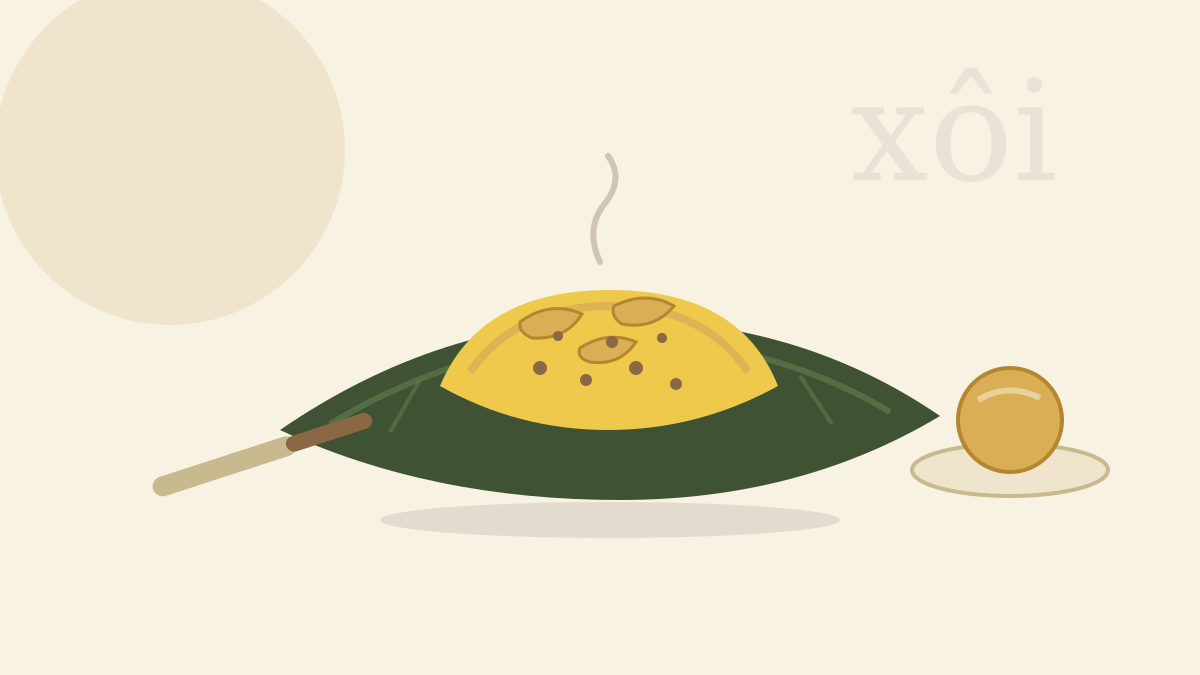
At six in the morning, Hanoi's xôi vendors are already stationed — bamboo baskets swaddled in cloth, a knife, a ball of cooked mung bean the size of a grapefruit, and a jar of fried shallots. Xôi xéo is the most theatrical of the city's sticky-rice breakfasts: turmeric-gold rice, then the vendor's flourish, shaving the bean ball into thin petals that fall over the rice like gold leaf over gold. It is old northern market food from the wet-rice heartland, priced for laborers and students, wrapped in a banana leaf or — these days — a page of yesterday's newspaper.
The whole dish turns on one piece of engineering: the mung-bean ball must be dry and dense enough to shave. Steamed, mashed, and squeezed into a compact sphere, it behaves like a hard cheese under the knife; too wet and it smears, too dry and it crumbles. Get it right and every spoonful carries rice, bean, shallot crunch, and the faint schmaltz of chicken fat. Get it wrong and you have very good rice with hummus on it — which, the vendors would want you to know, is not the same breakfast.
Both the rice and the beans need an overnight soak, so this is a breakfast you decide to have the evening before — which is, frankly, part of its charm.
Lời đầu bếp · A word from the kitchen
Ingredientsnguyên liệu
Serves 4
The rice
- 400 gglutinous (sticky) rice — 2 cups — labeled "sweet rice" in US stores; soaked overnight
- 1 tspground turmeric — stirred into the soaking water — the gold happens in the soak, not the pot
- 1/2 tspfine salt
- 1 tbsprendered chicken fat or neutral oil — chicken fat is the vendor's secret; folded in after steaming
The mung-bean ball
- 200 gsplit, peeled mung beans — 1 cup, the yellow kind — soaked 4 hours or overnight
- 1/4 tspfine salt
Shallots
- 6shallots — sliced into thin, even rings and patted dry
- 250 mlneutral oil — 1 cup — strain and keep the shallot oil; it goes back on the rice
Methodcách làm
Step 1: Soak in gold
The night before, cover the rice generously with water, stir in the turmeric, and leave it. The grain drinks the color evenly overnight — turmeric added at cooking time gives you streaks and a raw edge the soak never does.
Step 2: Make the bean ball
Steam the soaked mung beans 20 minutes until completely tender, then mash them with the salt while hot and squeeze the mash, a handful at a time, into one dense, smooth ball. It must be dry enough to hold a polished surface — this ball is about to be your cheese.
Step 3: Steam the rice
Drain the rice, toss with the salt, and steam it over hard-boiling water for 25 to 30 minutes until the grains are glossy and chewy with no chalky center. Fold in the chicken fat while hot — it separates the grains and puts a shine on the gold.
Step 4: Fry the shallots
Start the shallot rings in cold oil and bring them up over medium heat, stirring, until they go amber — then pull them a shade early, because they keep cooking on the paper towel. Burnt shallots are bitter enough to sink the whole bowl, and they turn in seconds.
Step 5: Shave and serve
Mound hot rice into bowls, then shave the mung-bean ball over each with a sharp knife, the way you would shave a truffle — thin petals that half melt into the rice. Spoon over some shallot oil and finish with a genuinely reckless pile of fried shallots.
Đồ nghề · The tools
Equipment
Bamboo steamer
Xửng hấpFor bánh bao, xôi, and fish steamed whole — bamboo breathes, so nothing drips condensation back onto your work. Line it with a cabbage leaf, not parchment, and steal the leaf after.
Shop on Amazon →Fine sieve / muslin
Rây lọcFor straining broth crystal-clear, squeezing coconut milk, and working tamarind pulp through into pure sour. Line it with muslin when the recipe says “clear” and means it.
Shop on Amazon →
Equipment links are Amazon affiliate links. As an Amazon Associate we earn from qualifying purchases, at no cost to you. Disclosure.
Questions from the kitchen
What does "xéo" mean?
Honestly, nobody can prove it. The explanation you'll hear most in Hanoi ties it to the slanting, shaving knife-stroke that petals the bean ball over the rice — a story that fits the dish so well it hardly matters whether it's etymology or affection. We pass it on labeled as the story it is.
Can I make the parts ahead?
Yes — this is a street vendor's dish, built for advance work. The bean ball keeps three days wrapped in the fridge, the shallots a week in an airtight jar, and the rice re-steams beautifully in 10 minutes. Shave the beans onto hot rice at the last moment, always.
My rice came out hard in the middle. What went wrong?
Either the soak was short or the steam was timid. Sticky rice cooks by steam alone, so it needs its full overnight drink and a genuinely hard boil underneath. If it's still chalky at 30 minutes, sprinkle a tablespoon of water over, stir, and give it ten more.
Nấu tiếp · Cook next
Keep the burner on
 Phố
PhốStreet Food·55 min·Intermediate
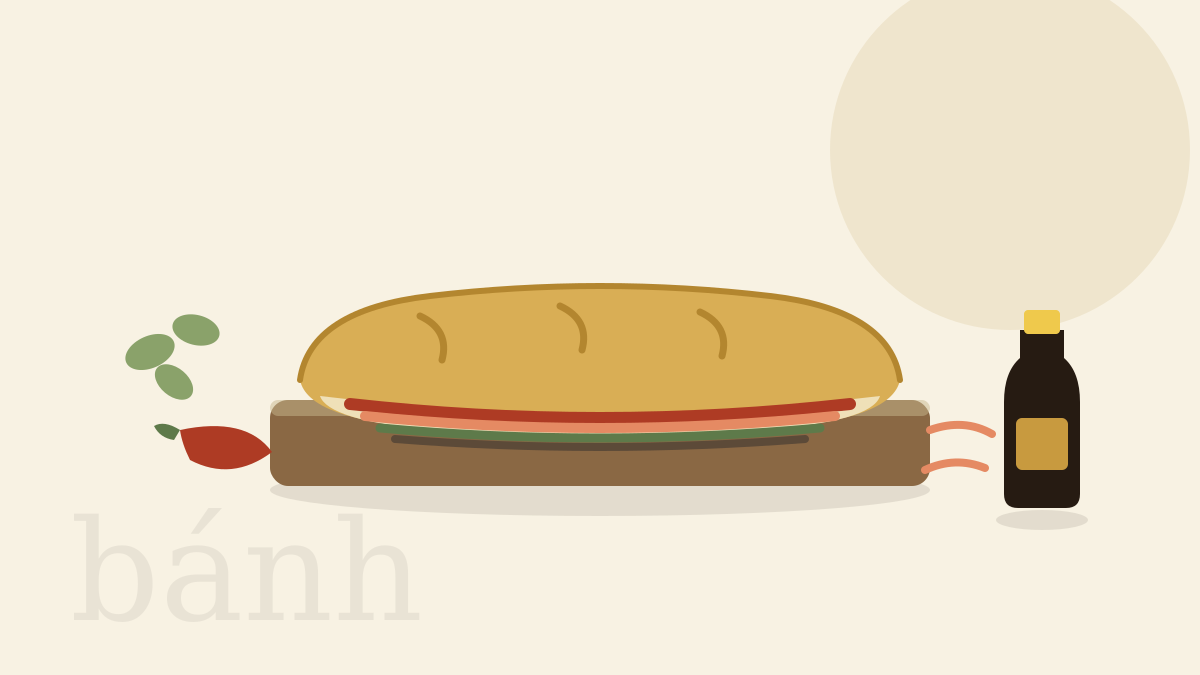
Bánh Mì ThịtBánh mì thịt
The full Saigon cold-cuts bánh mì built at home — crackly baguette, a quick chicken-liver pâté, đồ chua, and a shake of Maggi, assembled in the right order.
 Phố
PhốStreet Food·75 min·Intermediate
Hội An Chicken RiceCơm gà Hội An
Hội An's chicken rice — rice cooked golden in the poaching broth, hand-torn chicken tossed with rau răm and onion, a Hainanese idea gone thoroughly Vietnamese.
 Phố
PhốStreet Food·35 min·Beginner
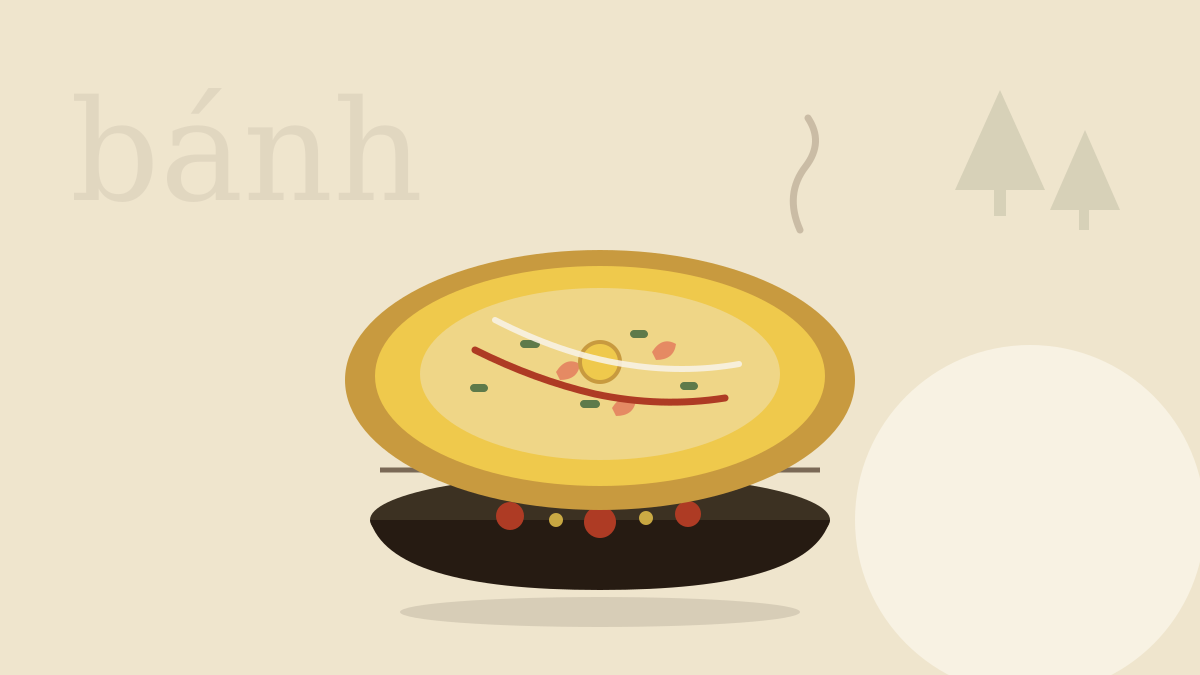
Đà Lạt Grilled Rice PaperBánh tráng nướng
Đà Lạt's night-market rice paper grill — egg, scallion, and dried shrimp crisped onto bánh tráng. The 'Vietnamese pizza,' translated to a home stove.