Bánh Bột Lọc
Bánh bột lọc
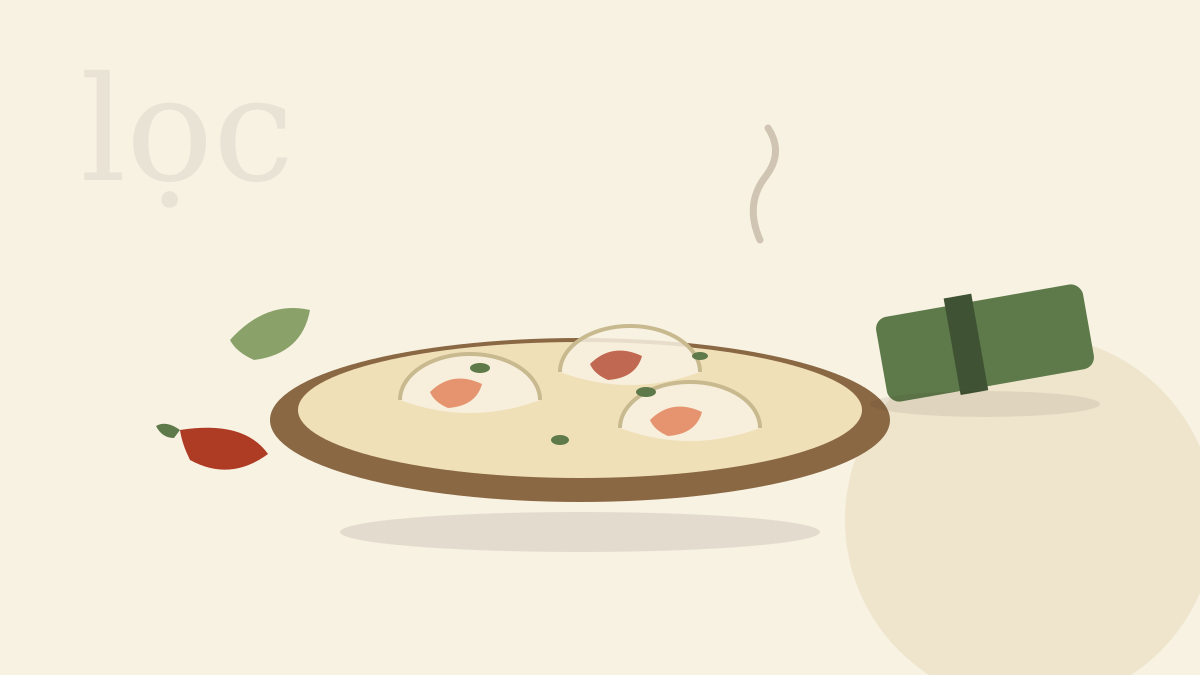
Huế's translucent tapioca dumplings — whole shrimp and caramel pork belly glowing through the chew — in both the banana-leaf and the boiled "naked" form.
By Vietnamese Cookbook Kitchen · March 23, 2026
Huế & the Imperial CourtNguyễn & the Huế Court era, 1802–1883
 Bánh
Bánh- Prep
- 60 min
- Cook
- 30 min
- Serves
- 6
- Level
- Intermediate
Bánh bột lọc is the dumpling people mean when they say Huế food is jewelry — a chew of pure tapioca cooked to glass, with a caramel-red shrimp and a baton of pork belly showing through like something set in amber. Bột lọc means "filtered starch," and the starch is cassava — a crop that reached Vietnam in quantity only in the nineteenth century, which makes this the youngest member of the royal-era bánh set it now anchors, alongside bánh bèo's dimpled dishes and bánh nậm's banana-leaf silk.
Two versions coexist in every Huế market and neither is the original: trần ("naked") boiled and slicked with scallion oil, and lá, wrapped and steamed, built to travel. The dough is the whole exam, and the rule is simple: boiling water in, warm hands after. Tapioca dough shaped warm stretches and seals; shaped cold, it cracks like old paint. Make both versions once and you'll understand why Huế never chose.
The dough waits for no one — knead it warm and shape it warm. Once boiling-water tapioca dough cools, it tears instead of stretching, and no amount of reheating brings it all the way back.
Lời đầu bếp · A word from the kitchen
Ingredientsnguyên liệu
Serves 6
Filling
- 250 gsmall shell-on shrimp — about 9 oz — thumb-sized or smaller; trim whiskers and legs but keep the shells, which soften in the braise and turn lacquer-red
- 150 gpork belly, cut in 1 cm batons — about 5 oz
- 1.5 tbspsugar — for the caramel — the same move as our nước màu
- 1.5 tbspfish sauce
- 2shallots, sliced
- 0.5 tspground black pepper
Dough
- 250 gtapioca starch — about 2 cups — sometimes labeled tapioca flour; rice flour will not turn clear, no matter how long you boil it
- 200 mlboiling water — scant 1 cup, poured hot from the kettle
- 1 tbspneutral oil
- 0.5 tspfine salt
To finish
- 12pieces banana leaf, about 15 x 20 cm — only for the wrapped version — flame-wilted until glossy
- 3 tbspscallion oil — scallions barely wilted in hot neutral oil
- 120 mlnước chấm — on the sweeter side, with a fresh chili sliced in
Methodcách làm
Step 1: Braise the filling
Melt the sugar in a dry pan until it goes the color of dark tea, then add shallots, pork, and shrimp with the fish sauce and pepper. Simmer over low heat, tossing, until the liquid reduces to a sticky glaze — about ten minutes. The caramel does two jobs: it seasons, and it dyes the shrimp the red that will glow through the finished dumpling.
Step 2: Make the boiling-water dough
Put the starch and salt in a bowl, pour the boiling water and oil over, and stir hard with chopsticks until shaggy. As soon as you can bear to touch it, knead two minutes to a smooth, warm, faintly elastic dough. The heat half-cooks the starch — that is what makes it workable now and translucent later.
Step 3: Shape the dumplings
Pinch off walnut-sized pieces, keeping the rest covered. Flatten each to a 7 cm disc, set one shrimp and one baton of pork at the center, fold into a half-moon, and pinch the seam firmly shut. Any gap is an invitation for boiling water to move in.
Step 4: For bánh bột lọc trần, boil
Slide the naked dumplings into a wide pot of boiling water and cook until they turn from white to glassy and float — five to six minutes, then one minute more. Lift into a bowl of cool water for thirty seconds so they don't weld together, drain, and slick with scallion oil.
Step 5: For the wrapped version, steam
Alternatively, set each raw dumpling on an oiled piece of banana leaf, fold into a slim packet, and steam 15 minutes. The leaf version travels, keeps, and perfumes; the boiled version is faster and shows off the shine. Huế sells both from the same baskets without apology.
Step 6: Serve warm
Pile the dumplings on a plate, spoon over scallion oil, and pass the sweet nước chấm. They are at their best warm, when the chew is tender; straight from the fridge they turn stubborn until re-steamed.
Đồ nghề · The tools
Equipment
Bamboo steamer
Xửng hấpFor bánh bao, xôi, and fish steamed whole — bamboo breathes, so nothing drips condensation back onto your work. Line it with a cabbage leaf, not parchment, and steal the leaf after.
Shop on Amazon →Long cooking chopsticks
Đũa bếpExtra-long chopsticks for turning frying rolls, loosening noodles, and plucking herbs — the Vietnamese kitchen’s default hand, kept a safe distance from the oil.
Shop on Amazon →
Equipment links are Amazon affiliate links. As an Amazon Associate we earn from qualifying purchases, at no cost to you. Disclosure.
Questions from the kitchen
Why are my dumplings cloudy instead of clear?
Either they're undercooked or the starch is wrong. They must be pure tapioca starch and they must cook until fully glassy — pull one out and look. Rice flour, cornstarch, or "tapioca mixes" all steam up opaque and stay that way.
Can I freeze them?
Yes — this is a dumpling built for it. Freeze the wrapped, uncooked packets in a single layer and steam straight from frozen, adding about eight minutes. The boiled version freezes less happily; the surface waterlogs on reheating.
Do I really leave the shrimp shells on?
Traditionally yes, on shrimp small enough that the braised shell eats as texture, not armor. The shell also holds the caramel color that makes the dumpling glow. If your shrimp are large or your table is skeptical, peel them and accept a slightly paler jewel.
Nấu tiếp · Cook next
Keep the burner on
 Bánh
BánhThe World of Bánh·85 min·Intermediate
Hải Phòng Bánh BèoBánh bèo Hải Phòng
Hải Phòng's square bánh bèo — banana-leaf steamed rice cakes under a pork and wood ear topping, dunked in a peppery bone-broth dipping sauce.
 Bánh
BánhThe World of Bánh·40 min·Beginner
Smashed Rice Crackers with Baby ClamsBánh đập hến xào
Cẩm Nam's two-texture trick — a wet rice sheet smacked onto a crisp cracker, broken by hand, and dipped beside baby clams sautéed hot with lemongrass.
 Bánh
BánhThe World of Bánh·70 min·Intermediate
Sizzling CrêpesBánh xèo
The south's giant turmeric-and-coconut crêpe, fried lacy-crisp around shrimp and pork, then torn, rolled in lettuce with herbs, and dragged through nước chấm.