Bánh Căn
Bánh căn
Phan Rang's mini rice-flour cakes, a Cham inheritance baked in bare clay molds — crisp-edged, tender-centered, made at home in an aebleskiver pan.
By Vietnamese Cookbook Kitchen · June 21, 2026
The South Central CoastThe Lê Dynasty era, 1428–1789
 Bánh
Bánh- Prep
- 30 min
- Cook
- 30 min
- Serves
- 4
- Level
- Intermediate
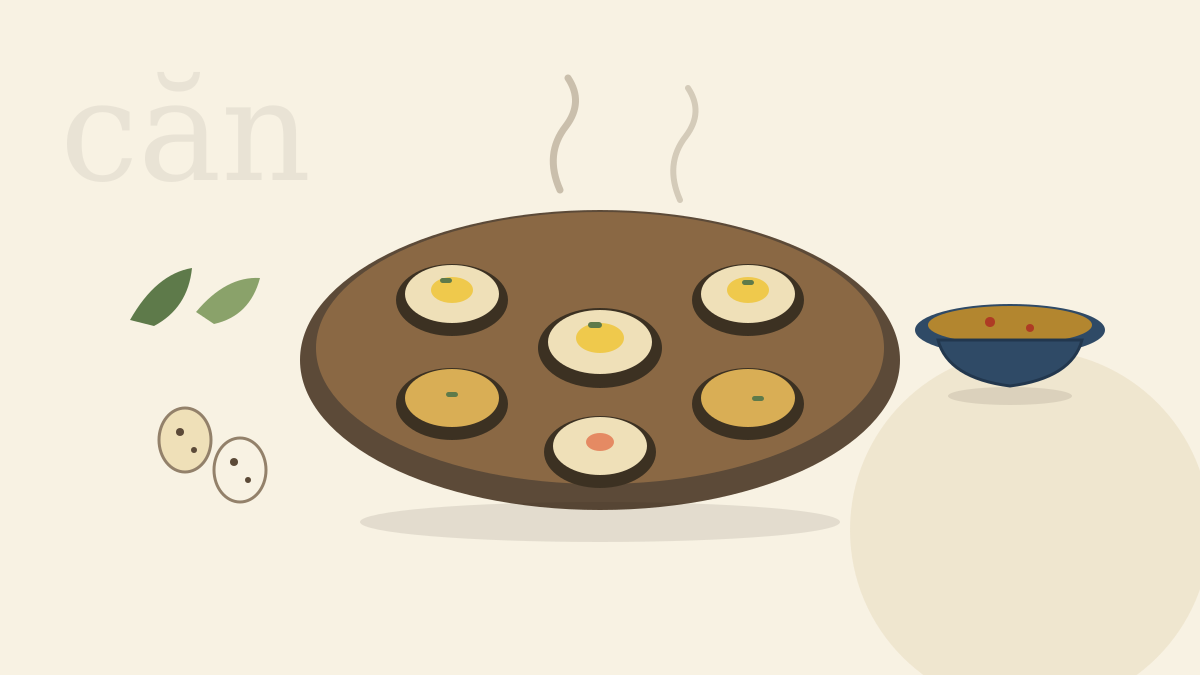
Bánh căn comes from Phan Rang, the sun-scorched capital of Ninh Thuận province, and by every credible account it comes from the Cham — the people whose kingdom of Champa ruled this coast for centuries before Vietnam's southward expansion absorbed it, and whose communities still live around Phan Rang today. The evidence is baked into the equipment: the dimpled terracotta pans are Cham-style pottery, kin to the unglazed earthenware still hand-built in the famous Cham village of Bàu Trúc nearby. Vietnamese cooks adopted the cakes and carried them up the coast to Nha Trang and Đà Lạt, but Phan Rang remains the reference point, and locals will tell you the clay is the recipe.
They are right, in one specific way: bánh căn is baked in a nearly dry mold, not fried — that is the entire distinction from its oil-slicked southern cousin bánh khọt, and the reason the cakes taste of rice rather than of frying. The batter leans on ground cooked rice for a tender, faintly tangy crumb, the lid traps steam to set a quail egg on top, and everything mild about the cake is deliberate, because the sauces do the talking. An aebleskiver pan is not clay, but it holds the same honest dry heat — your Danish grandmother's pancake pan has been moonlighting as Cham pottery all along.
Resist the urge to grease the pan heavily. Bánh căn is baked, not fried — a whisper of oil on the first round to season the molds, then let the dry heat do the work. That's the whole difference from bánh khọt.
Lời đầu bếp · A word from the kitchen
Ingredientsnguyên liệu
Serves 4
The batter
- 300 grice flour — about 2.5 cups; the street version starts from soaked whole rice ground with a little cooked rice — see the first step
- 100 gcooked rice — day-old is ideal; it ferments the batter's flavor slightly and lightens the crumb
- 550 mlwater
- 0.5 tspsalt
- 2scallions — thinly sliced into the batter
Toppings and table
- 12quail eggs — or 4 hen eggs, beaten; shrimp or squid pieces are the other classic coast toppings
- 100 gsmall shrimp — peeled; optional but very Phan Rang
- 60 mlscallion oil — 4 tbsp — sliced scallions wilted in hot neutral oil with a pinch of salt
- 250 mlnước chấm — about 1 cup, thinned slightly — or mắm nêm for the full coastal experience; green mango slivers in the sauce bowl are traditional
Methodcách làm
Step 1: Build the batter
Blend the cooked rice with a third of the water until smooth, then whisk in the rice flour, remaining water, salt, and scallions. Rest it 30 minutes — the flour hydrates and the cakes go from gummy to tender. Street vendors soak and grind whole rice overnight; the cooked-rice shortcut honestly gets you most of the way there.
Step 2: Heat the pan properly
Set the clay bánh căn pan or an aebleskiver pan over medium heat and let it get genuinely hot — a drop of batter should set on contact. Brush the molds once, lightly, with oil. From here on, a hot dry mold is what makes the shell crisp.
Step 3: Pour and top
Fill each mold two-thirds full, then crack a quail egg into the center (or drop in a shrimp). Cover with a lid — the trapped steam cooks the top while the clay crisps the bottom. Give them 3–4 minutes.
Step 4: Check and lift
The cake is ready when the edge pulls from the mold and the base is freckled gold. Lever each one out with a thin spoon or chopstick. In Phan Rang two cakes are often sandwiched face to face; feel free.
Step 5: Sauce and serve
Serve hot in twos and fours, spooned over with scallion oil, alongside nước chấm for dipping — the cakes are mild on purpose and drink up the sauce. Eat them faster than you make them; everyone does.
Đồ nghề · The tools
Equipment
Bamboo steamer
Xửng hấpFor bánh bao, xôi, and fish steamed whole — bamboo breathes, so nothing drips condensation back onto your work. Line it with a cabbage leaf, not parchment, and steal the leaf after.
Shop on Amazon →Mandoline
Bàn bàoĐồ chua lives or dies on evenness — carrot and daikon cut to the same whisper-thin matchstick pickle at the same speed. Use the guard; every Vietnamese grandmother has the scar that says otherwise.
Shop on Amazon →Julienne peeler
Dao bào sợiThe three-dollar tool that shreds green papaya and mango into long, springy threads for gỏi. Look for the Thai Kiwi brand — it hangs in every Southeast Asian market for a reason.
Shop on Amazon →
Equipment links are Amazon affiliate links. As an Amazon Associate we earn from qualifying purchases, at no cost to you. Disclosure.
Questions from the kitchen
What's the difference between bánh căn and bánh khọt?
Fat, mostly. Bánh khọt, the southern cousin, is fried in generous turmeric-tinted oil until shattering-crisp; bánh căn bakes in a nearly dry clay mold, so it's tender with only a thin crisp shell. They look alike and are made in similar pans, which fools everyone once.
I don't have a clay pan — will aebleskiver, takoyaki, or poffertjes pans work?
A cast-iron aebleskiver pan is the best stand-in — similar mold size and good dry heat. Takoyaki molds run smaller, so shorten the cook and skip the quail egg or it overflows. Whatever the pan, preheat it well and keep the oil minimal.
Do I really need the cooked rice in the batter?
It matters more than it looks. The gelatinized starch keeps the crumb moist and slightly springy instead of chalky — vendors in Ninh Thuận swear by it. If you skip it, use 50 ml less water and expect a denser cake.
Nấu tiếp · Cook next
Keep the burner on
 Bánh
BánhThe World of Bánh·85 min·Intermediate
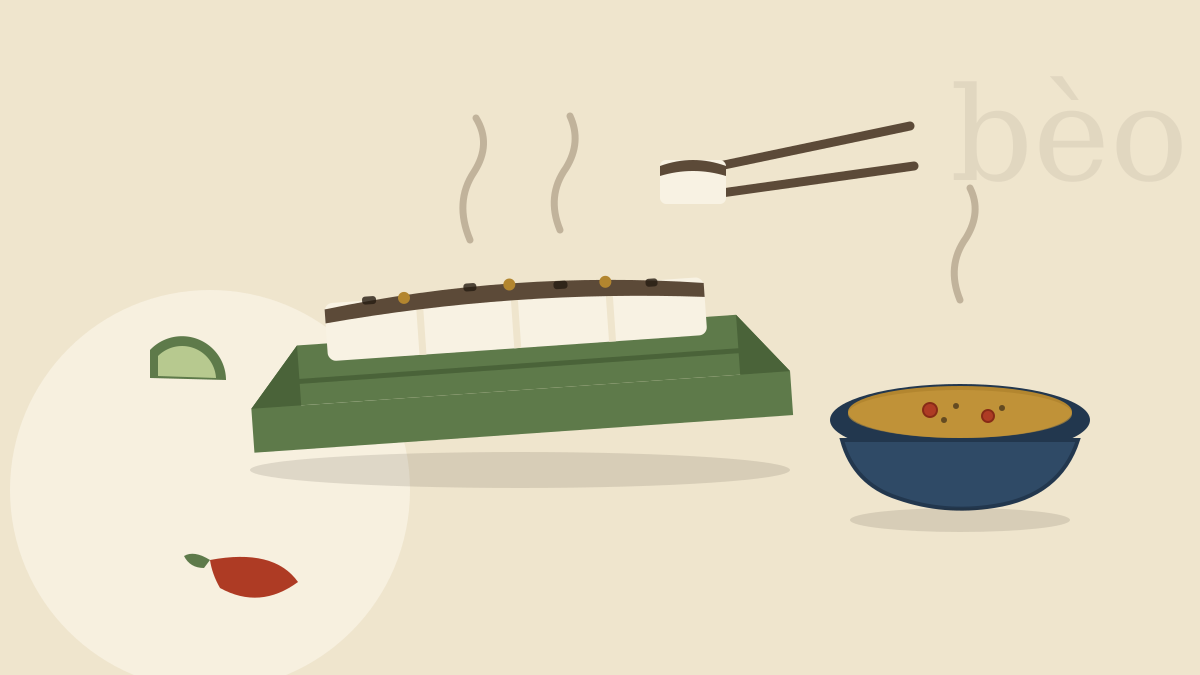
Hải Phòng Bánh BèoBánh bèo Hải Phòng
Hải Phòng's square bánh bèo — banana-leaf steamed rice cakes under a pork and wood ear topping, dunked in a peppery bone-broth dipping sauce.
 Bánh
BánhThe World of Bánh·40 min·Beginner
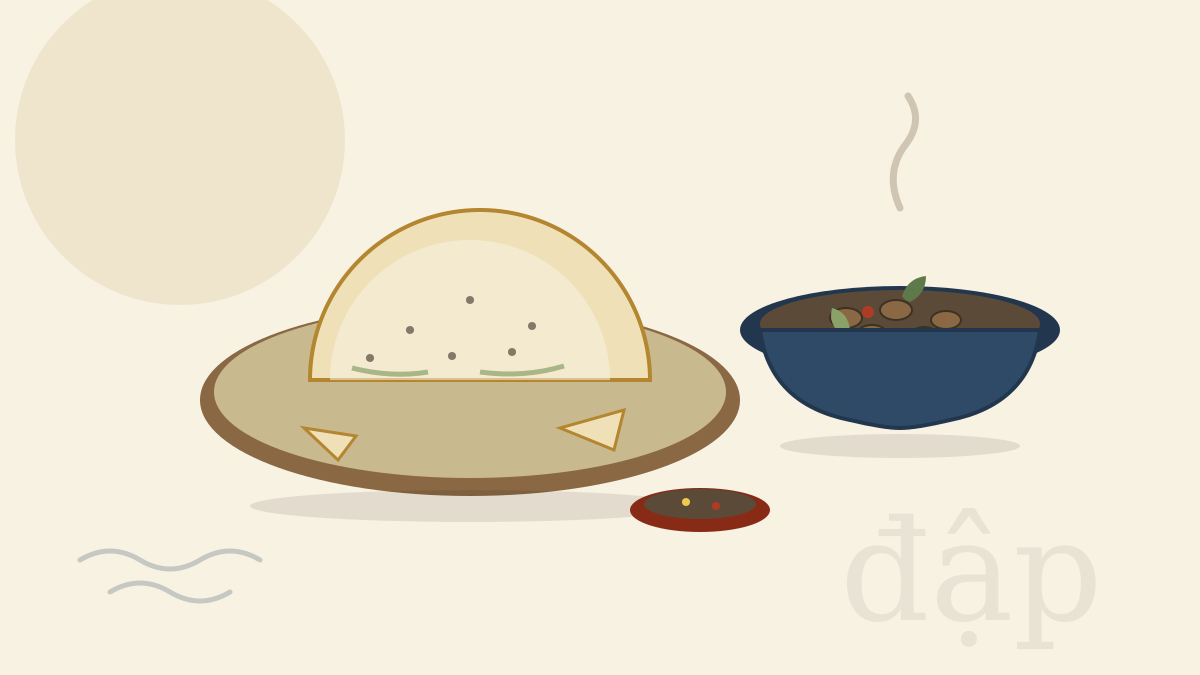
Smashed Rice Crackers with Baby ClamsBánh đập hến xào
Cẩm Nam's two-texture trick — a wet rice sheet smacked onto a crisp cracker, broken by hand, and dipped beside baby clams sautéed hot with lemongrass.
 Bánh
BánhThe World of Bánh·70 min·Intermediate
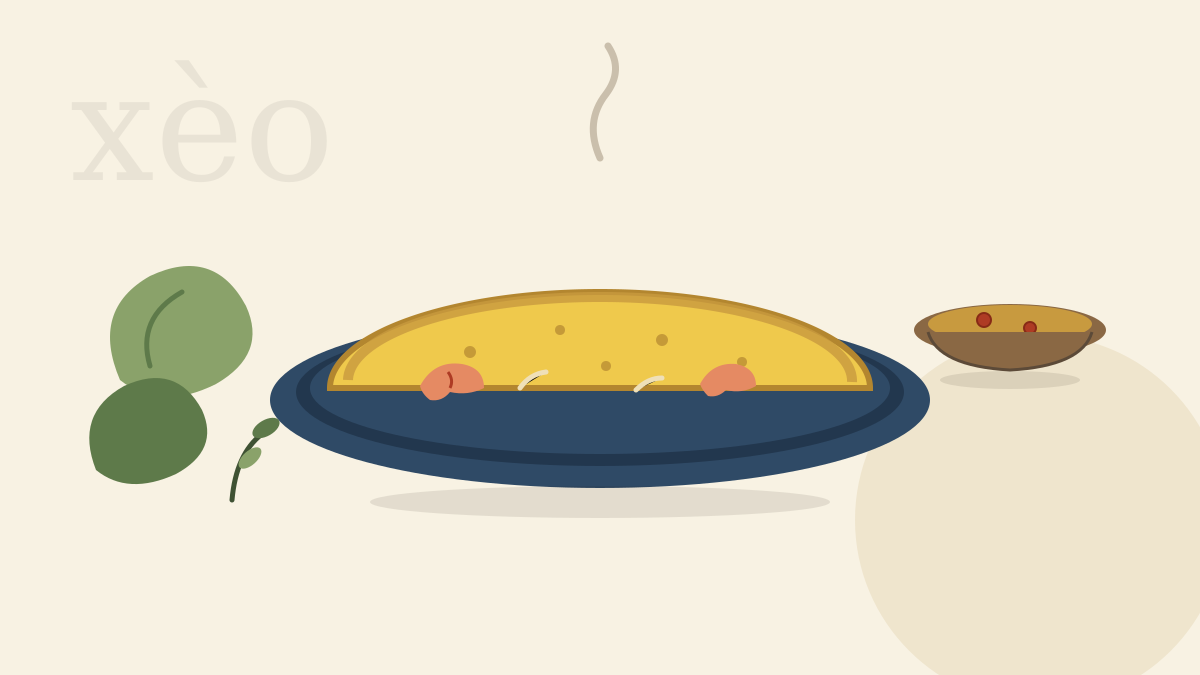
Sizzling CrêpesBánh xèo
The south's giant turmeric-and-coconut crêpe, fried lacy-crisp around shrimp and pork, then torn, rolled in lettuce with herbs, and dragged through nước chấm.