Bánh Cống (Sóc Trăng Shrimp Cakes)
Bánh cống
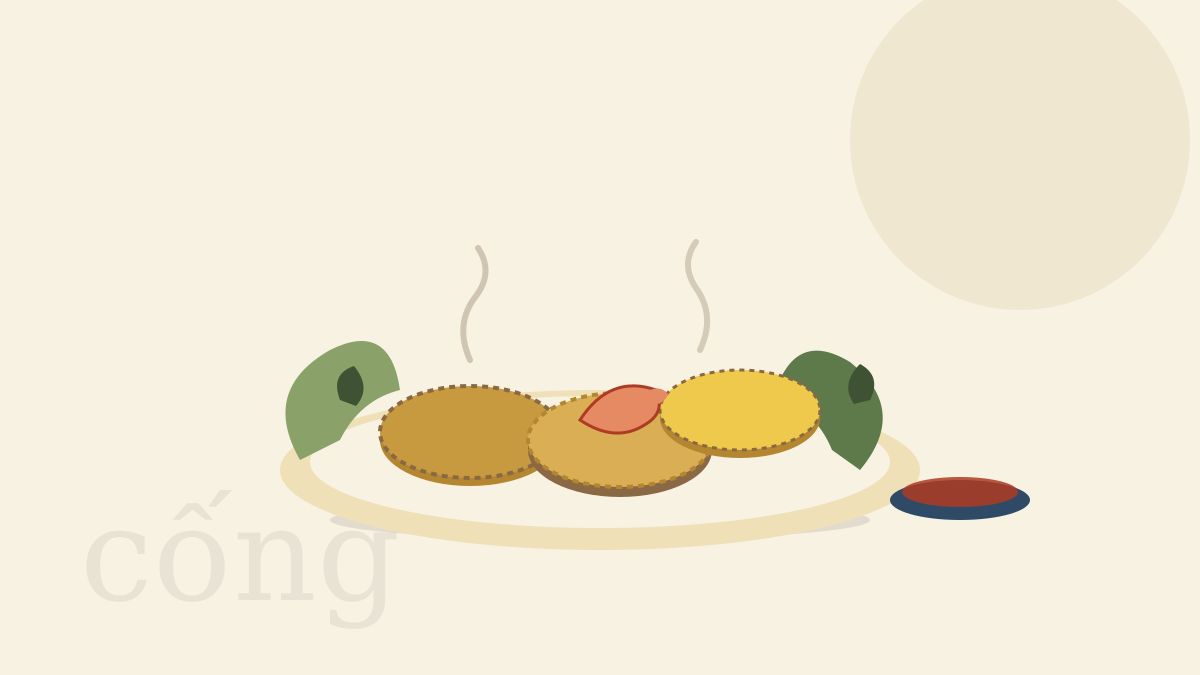
Sóc Trăng's Khmer-rooted fried cake — mung bean, pork, and a whole shrimp cast in a mold and dropped into hot oil — wrapped in lettuce and herbs with nước chấm.
By Vietnamese Cookbook Kitchen · March 19, 2026
The Mekong DeltaThe Lê Dynasty era, 1428–1789
 Bánh
Bánh- Prep
- 40 min
- Cook
- 25 min
- Serves
- 4
- Level
- Intermediate
Sóc Trăng sits at the heart of the Mekong Delta's Khmer community, and bánh cống is theirs first — a mung bean, pork, and shrimp cake built layer by layer inside a small metal mold, then fried until the batter shatters and the bean inside stays soft. The name comes from that mold, a "cống," a cup on a long handle unique to this corner of the delta. Vietnamese, Khmer, and Hoa (ethnic Chinese) communities have shared Sóc Trăng's markets and kitchens for generations, and bánh cống traveled outward from Khmer households into the wider delta repertoire the way so much of this region's food has — credit where the dish began matters more than tidy borders.
The mold does real work: it holds three layers — batter, filling, batter — in place long enough for the outside to seal before the shrimp on top even sees hot oil. The cake should release from the mold on its own, not by force, which tells you the crust has set enough to survive the rest of the fry loose in the oil. What comes out is a cake with a rice-cracker shell around a center that's somehow still soft, built to be broken into pieces, wrapped in lettuce, and dragged through nước chấm until the plate's empty.
A cống cake fries in silence — no violent bubbling, just a steady simmer of oil. If the pot is roaring, your oil is too hot and the outside will burn long before the mung bean sets inside.
Lời đầu bếp · A word from the kitchen
Ingredientsnguyên liệu
Serves 4
Batter
- 150 grice flour — 1 cup
- 30 gall-purpose flour — 3 tbsp — a little gluten helps the cake hold its shape out of the mold
- 1egg
- 300 mlwater — scant 1¼ cups, added gradually until the batter coats a spoon like thin cream
- 1 tspfine salt
- 0.5 tspground turmeric — for color, not heat
- 2scallions — finely sliced, green and white
Filling
- 150 gsplit, skinned mung beans (đậu xanh) — soaked at least 2 hours, steamed 15 minutes until just tender — not mashed, still whole
- 150 gground pork
- 12medium shrimp — peeled, tails left on, one laid whole across the top of each cake
- 1small yellow onion — finely diced
- 1 tspfish sauce
- 0.5 tspground black pepper
To serve
- 1head lettuce or mustard greens — leaves separated, for wrapping
- 1 handfulmixed herbs — Thai basil, mint, perilla — whatever the market has
- 500 mlnước chấm — our foundations recipe, thinned slightly for dipping wrapped cakes
- 500 mlneutral oil — for deep-frying, about 4 cm deep in the pot
Methodcách làm
Step 1: Mix the batter and rest it
Whisk the rice flour, all-purpose flour, egg, water, salt, and turmeric into a smooth batter the texture of heavy cream, then stir in the scallions. Rest it 20 minutes — rushed batter fries pale and tastes of raw flour.
Step 2: Cook the filling
Sauté the onion until soft, add the ground pork, and cook until it just loses its pink, breaking it into small crumbs. Fold in the steamed mung beans, fish sauce, and pepper off the heat — you want whole beans studding the pork, not a paste.
Step 3: Load the mold
Heat the oil to 175°C. Dip a bánh cống mold — a small metal cup on a long handle, sold at Vietnamese groceries — into the hot oil first to season it, then spoon in a layer of batter, a portion of the pork-bean filling, another film of batter to seal it, and finish with one shrimp pressed on top. No mold at home: pack the same layers into a lightly oiled small ramekin or a wide metal spoon instead — it will not release as cleanly, but a thin knife run around the edge frees it once the underside sets.
Step 4: Fry to release, then fry to color
Lower the loaded mold into the oil and hold it there 30 seconds until the cake's edges firm up and start to pull away on their own — do not force it out early, or it falls apart. Once it slides free, let it fry loose in the oil, turning once, until deep gold and audibly crisp, about 5 minutes total.
Step 5: Drain and rest
Lift each cake to a rack or paper towels and let it rest 2 minutes before the next batch — this keeps the crust from steaming soft under its own heat. Skim any stray crumbs from the oil between cakes so later batches stay clean.
Step 6: Wrap and dip
Serve hot, torn into pieces and rolled in lettuce with a few herb leaves, dunked in nước chấm. The contrast is the whole point — shattering crust, soft bean, cool raw greens, sweet-sour sauce.
Đồ nghề · The tools
Equipment
Heavy pot / Dutch oven
Nồi dàyDeep, heat-retentive, and stable — for deep-frying without temperature crashes, and for bò kho and cà ri when the claypot is too small for the crowd.
Shop on Amazon →Frying thermometer
Nhiệt kế dầuThe difference between shattering chả giò and greasy chả giò is holding the oil at temperature — stop guessing.
Shop on Amazon →Fine-mesh skimmer
Vợt vớt bọtClear phở broth is not a trick, it is patience with a skimmer — take the scum off early and often and the pot rewards you with glass.
Shop on Amazon →Bamboo steamer
Xửng hấpFor bánh bao, xôi, and fish steamed whole — bamboo breathes, so nothing drips condensation back onto your work. Line it with a cabbage leaf, not parchment, and steal the leaf after.
Shop on Amazon →Ramekins
Khuôn bánh flanFor bánh flan — the French crème caramel Vietnam adopted, darkened the caramel on, and never gave back. Small metal moulds chill faster; ceramic unmoulds prettier.
Shop on Amazon →
Equipment links are Amazon affiliate links. As an Amazon Associate we earn from qualifying purchases, at no cost to you. Disclosure.
Questions from the kitchen
Where does bánh cống actually come from?
Sóc Trăng, a province in the Mekong Delta with one of Vietnam's largest Khmer communities, where the dish is documented as a Khmer creation — the mold-fried mung bean cake predates its adoption into the wider Vietnamese-Chinese-Khmer food culture of the delta. "Cống" names the cup-shaped mold itself. Treat the dish's origin plainly; it belongs to Sóc Trăng's Khmer cooks first.
I don't have a bánh cống mold. Is it worth buying one?
If you plan to make this more than once, yes — they're inexpensive at Vietnamese grocery stores or online, and they give you the dish's signature straight-sided, layered cross-section. For a one-off, the ramekin method in the recipe gets you a rougher but genuinely tasty version.
Can I make the filling ahead?
The pork-and-mung-bean filling keeps a day in the fridge, covered. Mix the batter fresh, though — rice flour batter that sits overnight loses its lift and fries denser.
Nấu tiếp · Cook next
Keep the burner on
 Bánh
BánhThe World of Bánh·85 min·Intermediate
Hải Phòng Bánh BèoBánh bèo Hải Phòng
Hải Phòng's square bánh bèo — banana-leaf steamed rice cakes under a pork and wood ear topping, dunked in a peppery bone-broth dipping sauce.
 Bánh
BánhThe World of Bánh·40 min·Beginner
Smashed Rice Crackers with Baby ClamsBánh đập hến xào
Cẩm Nam's two-texture trick — a wet rice sheet smacked onto a crisp cracker, broken by hand, and dipped beside baby clams sautéed hot with lemongrass.
 Bánh
BánhThe World of Bánh·70 min·Intermediate
Sizzling CrêpesBánh xèo
The south's giant turmeric-and-coconut crêpe, fried lacy-crisp around shrimp and pork, then torn, rolled in lettuce with herbs, and dragged through nước chấm.