Bánh Nậm
Bánh nậm
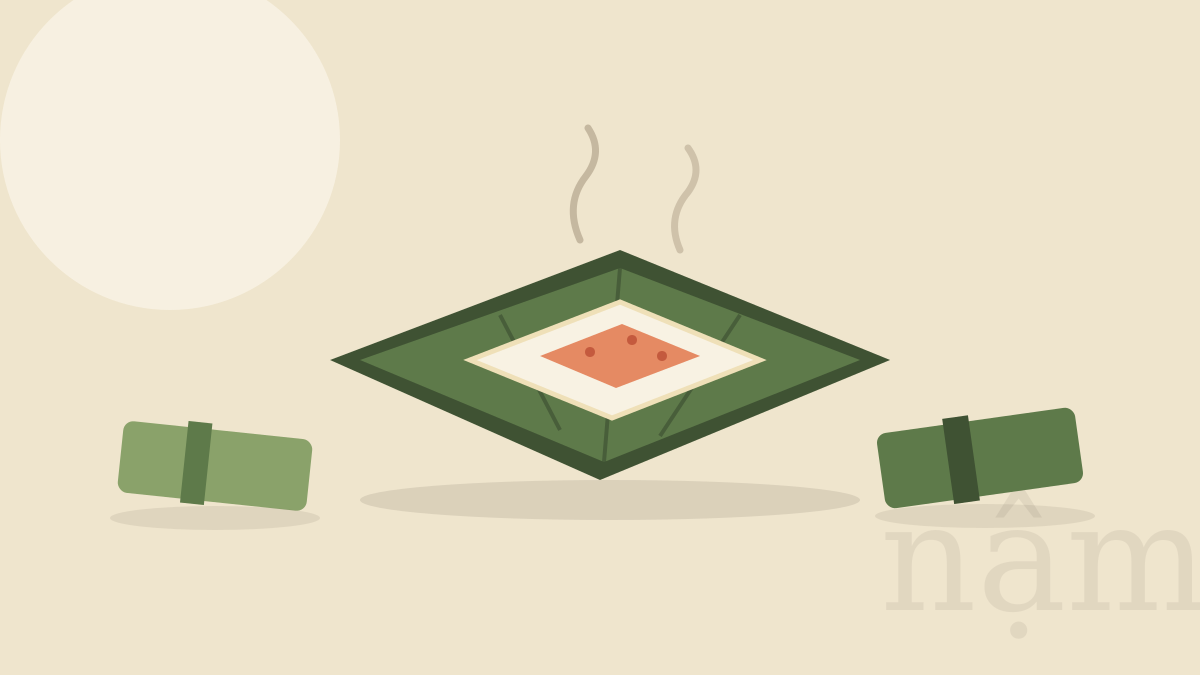
Huế's gentlest royal bánh — a whisper-thin rice-flour dumpling steamed flat in banana leaf under a blush of shrimp and pork, unwrapped warm at the table.
By Vietnamese Cookbook Kitchen · March 14, 2026
Huế & the Imperial CourtNguyễn & the Huế Court era, 1802–1883
 Bánh
Bánh- Prep
- 45 min
- Cook
- 25 min
- Serves
- 4
- Level
- Intermediate
Of the little steamed bánh that Huế sends out by the dozen — bánh bèo in its dishes, bánh bột lọc in its chewy translucence — bánh nậm is the gentle one. A spoonful of rice batter pressed flat in banana leaf, a stripe of orange shrimp floss, fifteen minutes of steam. In Huế it is the dish for convalescents, small children, and the elderly, and on the first and fifteenth of the lunar month the shrimp gives way to mushrooms for Buddhist kitchens. Court cuisine gets remembered for its banquets; this is its bedside manner.
The whole technique lives in one move: half-cook the batter on the stove before it touches the leaf. That pre-thickened paste spreads thin, stays put, and steams into something between custard and crêpe — soft enough to eat with the flat wooden knife the vendors tuck into each packet. Unwrap one warm, drizzle the sweeter nước chấm, and note how quietly a dumpling can argue for itself.
Pre-cook the batter to a loose paste before it ever meets the leaf. Raw batter runs to the corners and steams into a puddle; half-cooked batter spreads exactly as far as you push it and sets like silk.
Lời đầu bếp · A word from the kitchen
Ingredientsnguyên liệu
Serves 4
Batter
- 150 grice flour — about 1¼ cups — plain, not glutinous
- 15 gtapioca starch — 1½ tbsp — for a faint, tender spring
- 450 mlwater — scant 2 cups
- 1 tbspneutral oil
- 0.5 tspfine salt
Topping
- 150 gsmall shrimp, peeled and minced — about 5 oz
- 100 gground pork — about 3½ oz, on the fatty side
- 2shallots, minced
- 1 tbspfish sauce
- 1 tspannatto oil — or a pinch of paprika in plain oil — the topping should blush orange, not glow
- 0.25 tspground black pepper
Wrapping and serving
- 12pieces banana leaf, about 20 x 25 cm — frozen leaves from an Asian market are fine — thaw, wipe, and pass over a flame until glossy and limp
- 120 mlnước chấm — mixed sweeter and more dilute than for spring rolls — see the foundations recipe
Methodcách làm
Step 1: Make the shrimp-pork floss
Fry the shallots in the annatto oil, add the pork and shrimp, and cook over medium heat, mashing and stirring, until dry, fine, and orange-gold — about eight minutes. Season with fish sauce and pepper. A wet topping will weep into the batter and stain the whole dumpling; dryness here is what keeps the white white.
Step 2: Half-cook the batter
Whisk both flours, water, oil, and salt in a saucepan until smooth, then set over medium-low heat and stir constantly until it thickens to the texture of loose pudding — pulling a ribbon that holds for a second. Take it off the heat the moment it does; fully cooked batter won't spread at all.
Step 3: Prepare the leaves
Wipe each piece of banana leaf and pass it over a gas flame or a hot dry pan for a few seconds until it turns bright and pliable. An unwilted leaf cracks when folded and lets steam in where you don't want it.
Step 4: Fill and fold flat
Brush the leaf's center with oil, spread two tablespoons of batter into a thin rectangle about 6 x 12 cm, and lay a line of topping down the middle. Fold the long sides over, then the ends, into a slim flat packet — bánh nậm is flat by definition; a plump parcel steams uneven.
Step 5: Steam and rest
Steam the packets in a single layer, seam down, for 12–15 minutes. Rest five minutes before unwrapping — straight from the steamer the dumpling clings to its leaf, and patience is the only release agent that works.
Đồ nghề · The tools
Equipment
Bamboo steamer
Xửng hấpFor bánh bao, xôi, and fish steamed whole — bamboo breathes, so nothing drips condensation back onto your work. Line it with a cabbage leaf, not parchment, and steal the leaf after.
Shop on Amazon →
Equipment links are Amazon affiliate links. As an Amazon Associate we earn from qualifying purchases, at no cost to you. Disclosure.
Questions from the kitchen
Why is my dumpling gluey instead of silky?
Almost always over-thickened batter or too much tapioca. The pot stage should stop at loose pudding, not paste, and the tapioca stays at 10 percent of the flour or below. The steamer finishes the job — your stove only starts it.
Can I make these ahead?
Yes — bánh nậm re-steams beautifully. Keep the wrapped packets refrigerated up to two days and steam eight minutes to revive them. Don't unwrap until serving; the leaf is both the package and the humidity control.
No banana leaves at all?
Parchment brushed with oil will produce the shape but not the faint tea-like perfume the leaf gives, and that perfume is a real ingredient here. If you're going leafless anyway, add the batter to lightly oiled shallow dishes and steam them open-faced — you'll be in bánh bèo territory, which is no exile.
Nấu tiếp · Cook next
Keep the burner on
 Bánh
BánhThe World of Bánh·85 min·Intermediate
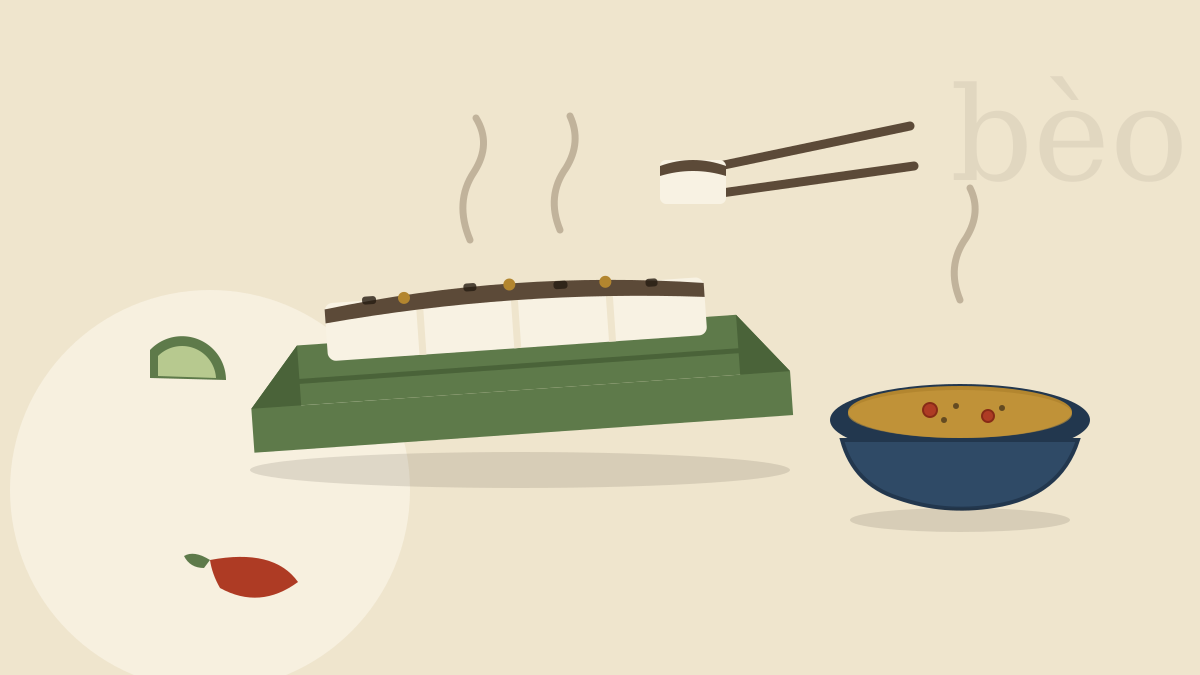
Hải Phòng Bánh BèoBánh bèo Hải Phòng
Hải Phòng's square bánh bèo — banana-leaf steamed rice cakes under a pork and wood ear topping, dunked in a peppery bone-broth dipping sauce.
 Bánh
BánhThe World of Bánh·40 min·Beginner
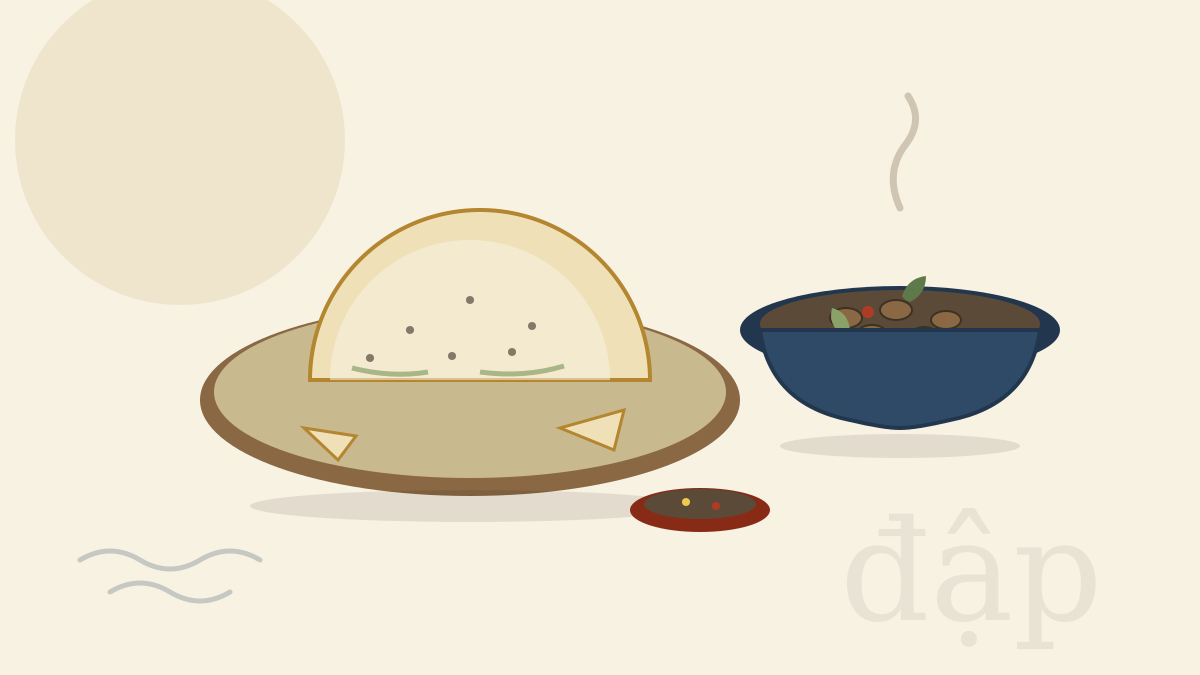
Smashed Rice Crackers with Baby ClamsBánh đập hến xào
Cẩm Nam's two-texture trick — a wet rice sheet smacked onto a crisp cracker, broken by hand, and dipped beside baby clams sautéed hot with lemongrass.
 Bánh
BánhThe World of Bánh·70 min·Intermediate
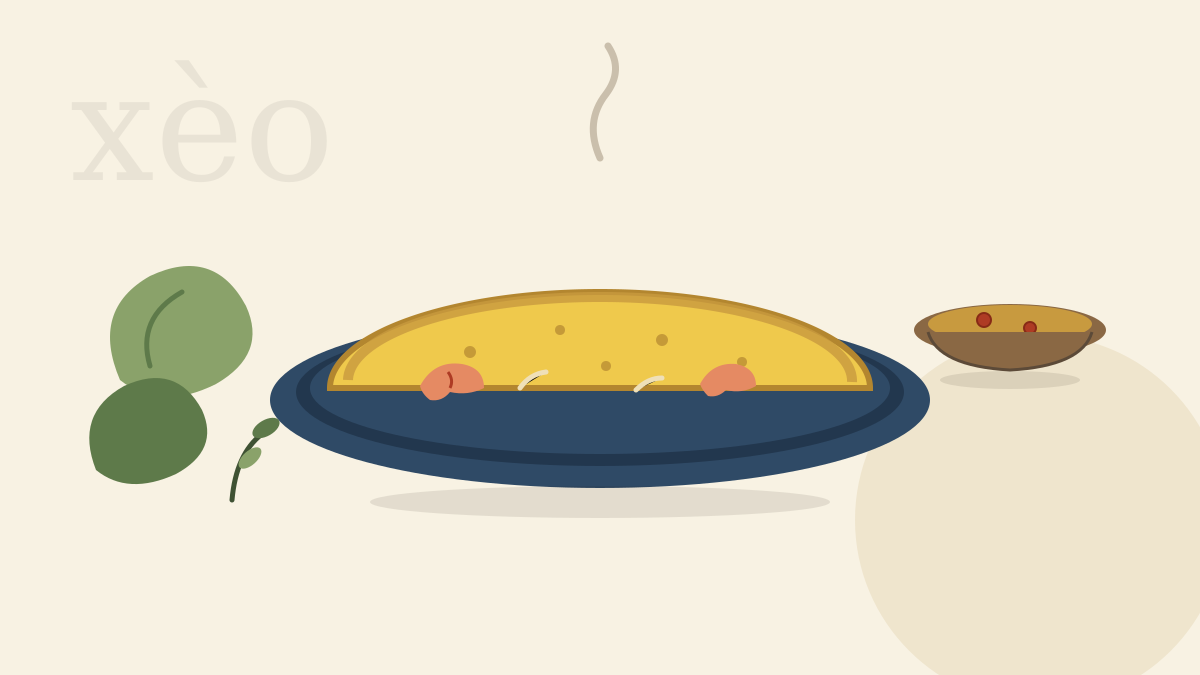
Sizzling CrêpesBánh xèo
The south's giant turmeric-and-coconut crêpe, fried lacy-crisp around shrimp and pork, then torn, rolled in lettuce with herbs, and dragged through nước chấm.