Bánh Ram Ít
Bánh ram ít
Huế's two-story dumpling — a soft sticky-rice bánh ít riding a shattering fried bánh ram base. One dough, two fates, and the royal kitchen's texture doctrine.
By Vietnamese Cookbook Kitchen · April 1, 2026
Huế & the Imperial CourtNguyễn & the Huế Court era, 1802–1883
 Bánh
Bánh- Prep
- 50 min
- Cook
- 40 min
- Serves
- 4
- Level
- Advanced
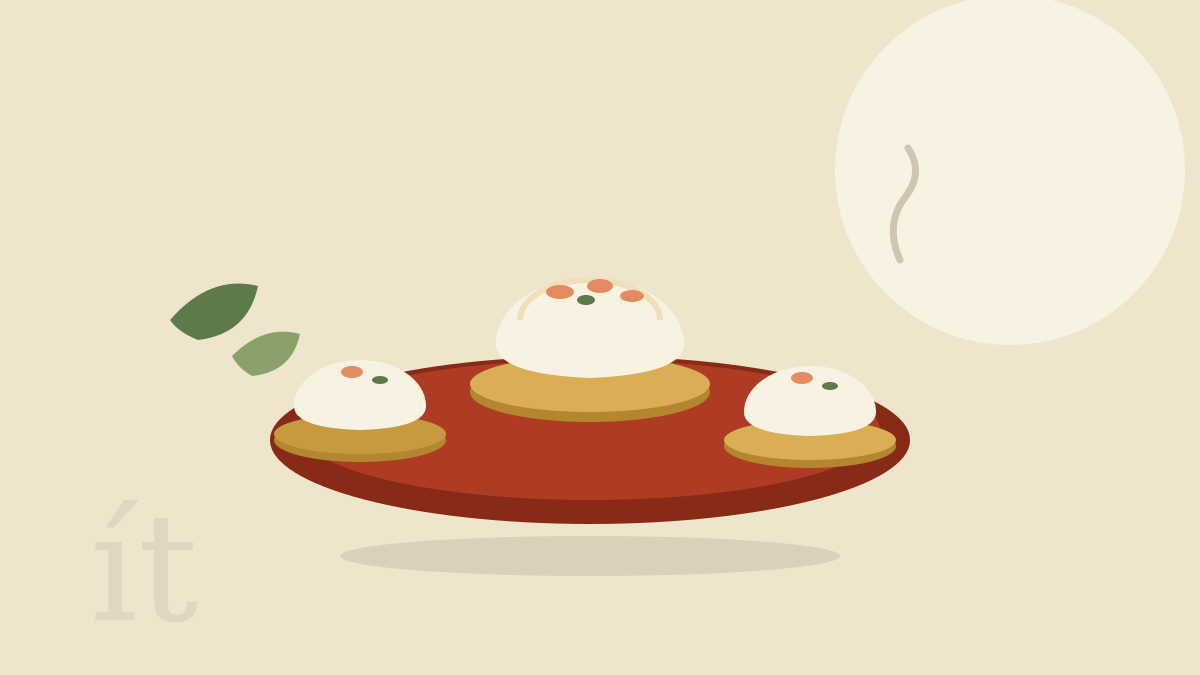
The fourth dumpling in our Huế set is the one that explains the other three. Bánh ram ít is a deliberate argument: the same glutinous rice dough, split in two, one half steamed into a soft filled dumpling (the ít), the other fried into a crisp golden raft (the ram), then stacked so a single bite delivers both. Huế credits the pairing to the Nguyễn court's kitchens — plausible, given the dynasty's documented appetite for small, numerous, labor-intensive dishes, though the story of a named royal cook is legend, not record.
What is certain is the doctrine it teaches: contrast is a flavor. Soft against shattering, mild rice against fish-sauce floss, the warm dumpling against cool scallion oil. It's why bánh bèo gets its crackling and bánh khoái gets its raw herbs. Build the stack at the last minute and serve it without ceremony — the architecture collapses in one bite, which is exactly the engineering brief.
Marry the two halves at the last possible minute. The steamed dumpling is patient; the fried base has perhaps twenty good minutes before the world's humidity finds it. Assemble at the table if you must — Huế vendors do.
Lời đầu bếp · A word from the kitchen
Ingredientsnguyên liệu
Serves 4
Dough (makes both halves)
- 300 gglutinous rice flour — about 2½ cups — the green-labeled "sweet rice flour" bags; plain rice flour will make neither half work
- 240 mlwarm water — 1 cup, plus a spoonful more if the dough cracks
- 1 tbspneutral oil
- 0.5 tspfine salt
Filling
- 150 gshrimp, peeled and chopped — about 5 oz
- 100 gground pork — about 3½ oz
- 1shallot, minced
- 2 tspfish sauce
- 0.25 tspground black pepper
Topping and serving
- 40 gdried shrimp — about ⅓ cup — soaked, then pounded or blitzed to an orange floss
- 3 tbspscallion oil
- 500 mlneutral oil, for frying — about 2 cups
- 120 mlnước chấm — sweeter and lighter than for grilled meats
Methodcách làm
Step 1: Make one dough
Knead the glutinous rice flour with the warm water, oil, and salt into a smooth, pliable dough that neither cracks nor sticks. Divide it in half and keep both halves covered — the same dough is about to lead two very different lives.
Step 2: Cook the filling
Fry the shallot, add pork and shrimp with fish sauce and pepper, and cook until dry enough to hold in a spoon, about six minutes. A wet filling will steam open the seams of the soft dumpling from inside.
Step 3: Steam the bánh ít half
Roll the first dough half into eight balls, flatten, fill each with a spoonful of filling, and seal back into a smooth ball. Steam on oiled parchment for 12 minutes until glossy and tender. These can sit, covered, while you fry.
Step 4: Fry the bánh ram half
Press the second dough half into eight discs slightly wider than the dumplings. Fry in 170°C (340°F) oil, flipping once, until puffed at the edges and deep gold, four to five minutes — they should knock hollow against a spoon. Drain hard on a rack, never paper.
Step 5: Stack and dress
Set one steamed dumpling on each fried disc, press gently so it grips, then spoon over scallion oil and a generous pinch of dried-shrimp floss. Serve immediately with the sweet nước chấm — the whole point sits in the first bite, when both textures are still telling the truth.
Đồ nghề · The tools
Equipment
Portable gas burner
Bếp ga miniLẩu is not lẩu if someone has to keep walking to the stove. The tabletop butane burner turns a pot of broth into a two-hour dinner party.
Shop on Amazon →Charcoal grill / grill pan
Vỉ nướngNướng means fire, and lemongrass pork wants char and smoke. A small charcoal grill is the true answer; a screaming-hot cast-iron grill pan under a cracked window is the honest apartment one.
Shop on Amazon →Bamboo steamer
Xửng hấpFor bánh bao, xôi, and fish steamed whole — bamboo breathes, so nothing drips condensation back onto your work. Line it with a cabbage leaf, not parchment, and steal the leaf after.
Shop on Amazon →Mortar & pestle
Cối chàyLemongrass, garlic, and chilies pounded release oils a blender never finds — it bruises where blades slice. The sound of a Vietnamese kitchen starting dinner.
Shop on Amazon →
Equipment links are Amazon affiliate links. As an Amazon Associate we earn from qualifying purchases, at no cost to you. Disclosure.
Questions from the kitchen
Why did my fried base turn greasy and bendy?
Oil too cool, or the wait too long. Below about 165°C the dough drinks oil instead of crisping against it, and even a perfect ram goes quiet after twenty minutes under a soft, faintly damp dumpling. Fry last, stack last, eat first.
Can I make any of it ahead?
The filling keeps two days and the steamed dumplings re-steam well after a night in the fridge. The fried bases are the deadline — you can hold them an hour in a low oven on a rack, but they do not survive a day in any container yet invented.
Is the doctrine real or a menu story?
The contrast is demonstrably the dish — one dough cooked two ways is not an accident. The court origin story is thinner: Huế attributes the pairing to Nguyễn palace kitchens, and the small, one-bite format fits everything we know about royal service, but no document names an inventor. Treat the doctrine as real and the anecdotes as seasoning.
Nấu tiếp · Cook next
Keep the burner on
 Bánh
BánhThe World of Bánh·85 min·Intermediate
Hải Phòng Bánh BèoBánh bèo Hải Phòng
Hải Phòng's square bánh bèo — banana-leaf steamed rice cakes under a pork and wood ear topping, dunked in a peppery bone-broth dipping sauce.
 Bánh
BánhThe World of Bánh·40 min·Beginner
Smashed Rice Crackers with Baby ClamsBánh đập hến xào
Cẩm Nam's two-texture trick — a wet rice sheet smacked onto a crisp cracker, broken by hand, and dipped beside baby clams sautéed hot with lemongrass.
 Bánh
BánhThe World of Bánh·70 min·Intermediate
Sizzling CrêpesBánh xèo
The south's giant turmeric-and-coconut crêpe, fried lacy-crisp around shrimp and pork, then torn, rolled in lettuce with herbs, and dragged through nước chấm.