Đà Lạt Rice Sheets with Chicken & Innards
Bánh ướt lòng gà
Steamed rice sheets under shredded chicken, giblets, and a fistful of rau răm — Đà Lạt's market-stall breakfast, built on using the whole bird honestly.
By Vietnamese Cookbook Kitchen · March 26, 2026
The Central HighlandsĐổi Mới era, 1986–2008
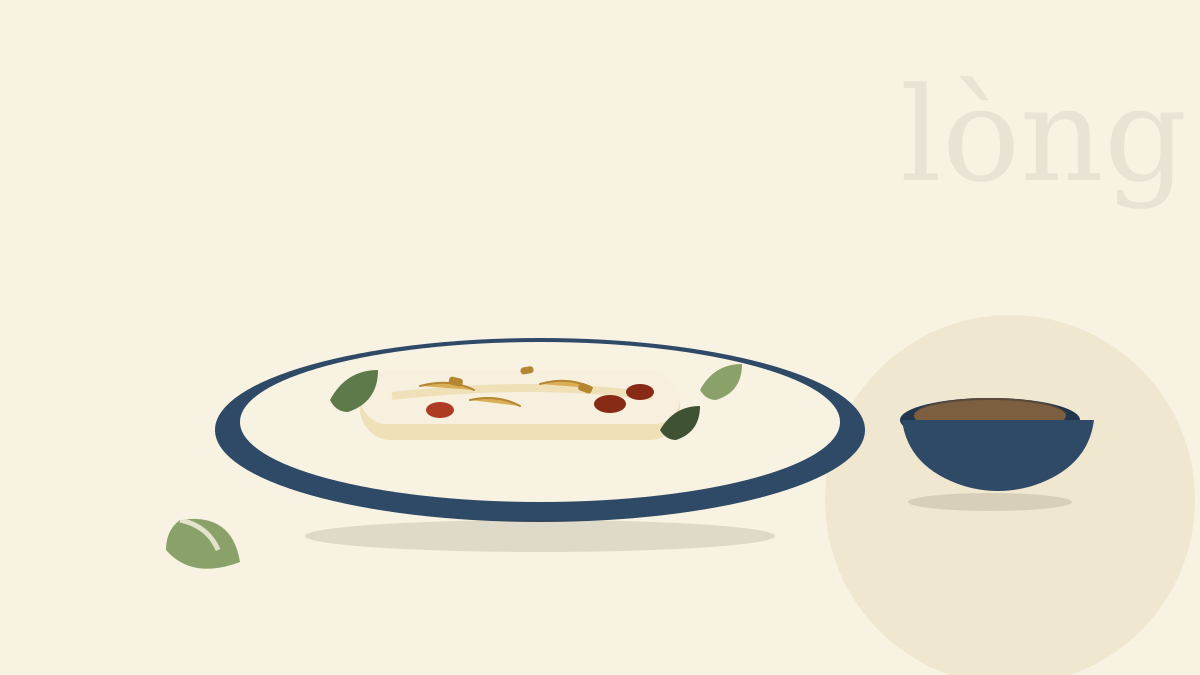 Bánh
Bánh- Prep
- 35 min
- Cook
- 30 min
- Serves
- 4
- Level
- Intermediate
At the covered market in Đà Lạt, the bánh ướt lòng gà stalls open before sunrise and the good ones are sold out of giblets by nine. The dish reads almost austere on the plate — pale rice sheets, pale poached chicken — until the herbs and sauce arrive and the whole thing turns bright and sharp. It belongs to the same đổi mới-era market culture that built bún đỏ a few stalls over: fast, cheap, built to feed a working morning, no pretense.
What makes it worth making at home is the honesty of using the whole bird — heart, gizzard, liver, not as an afterthought but as the point. If that isn't for you, the all-meat version loses nothing in flavor, only in texture; say so and move on, there's no shame in it. Rau răm does the heavy lifting no other herb can do here — its sharp, peppery bite cuts through the softness of poached chicken and rice sheet in a way mint or cilantro simply can't replicate. Dressed with a fish sauce vinaigrette and a scatter of fried shallots, it's a plate that tastes like a market morning in the hills.
Serve the sheets while they're still faintly warm and the sauce still runs, not clumps. Bánh ướt left to sit turns from silk to wallpaper paste in about twenty minutes.
Lời đầu bếp · A word from the kitchen
Ingredientsnguyên liệu
Serves 4
The chicken and broth
- 1whole chicken with giblets — about 1.5 kg / 3 lb — ask the butcher to keep the heart, gizzard, and liver separate; you want them in good condition
- 2shallots, smashed
- 1knob ginger, smashed — about 20 g
- 1.5 Lwater — about 6 cups, enough to submerge the bird
- As neededsalt to season the poaching liquid
To serve
- 800 gfresh steamed rice sheets (bánh ướt) — about 1.75 lb, from a Vietnamese grocer's refrigerator case — this is a buy-don't-make component even for most Vietnamese cooks
- 60 gfried shallots — about 1/2 cup, plus the oil they were fried in
- 1bunch rau răm (Vietnamese coriander) — about 40 g, roughly chopped — this herb, not cilantro, is the dish's signature; there is no good substitute
- 3 tbspfish sauce
- 2 tbspfresh lime juice
- 1 tbspsugar
- 1garlic clove, minced
- 1bird's-eye chili, sliced
Methodcách làm
Step 1: Poach the chicken and giblets
Submerge the chicken in water with shallots, ginger, and a generous pinch of salt. Bring to a boil, then hold at a gentle simmer for 25 to 30 minutes; add the giblets for the final 8 minutes only, since heart and gizzard toughen fast and liver needs barely 4.
Step 2: Rest, then shred
Lift the chicken out and let it rest 10 minutes before shredding the meat by hand into bite-sized strips — resting keeps the juices in the meat instead of on your cutting board. Slice the giblets thin against the grain.
Step 3: Reduce the broth to a drizzle
Skim the poaching broth and simmer it uncovered for 10 minutes to concentrate the flavor; you want a few tablespoons of intensely savory liquid to spoon over the finished plate, not a soup.
Step 4: Mix the sauce
Whisk fish sauce, lime juice, sugar, garlic, and chili with 2 tablespoons of warm water until the sugar dissolves. This dresses the whole plate at the table — taste it against the chicken, not alone.
Step 5: Warm the rice sheets
Steam the bánh ướt for 2 minutes just to loosen and warm them, or microwave under a damp towel. They should be soft and faintly translucent, never dry at the edges.
Step 6: Plate and finish
Lay the warm sheets on plates, scatter shredded chicken and sliced giblets over the top, then rau răm and fried shallots. Spoon the reduced broth over everything and pass the sauce at the table.
Đồ nghề · The tools
Equipment
Portable gas burner
Bếp ga miniLẩu is not lẩu if someone has to keep walking to the stove. The tabletop butane burner turns a pot of broth into a two-hour dinner party.
Shop on Amazon →Fine-mesh skimmer
Vợt vớt bọtClear phở broth is not a trick, it is patience with a skimmer — take the scum off early and often and the pot rewards you with glass.
Shop on Amazon →Bamboo steamer
Xửng hấpFor bánh bao, xôi, and fish steamed whole — bamboo breathes, so nothing drips condensation back onto your work. Line it with a cabbage leaf, not parchment, and steal the leaf after.
Shop on Amazon →
Equipment links are Amazon affiliate links. As an Amazon Associate we earn from qualifying purchases, at no cost to you. Disclosure.
Questions from the kitchen
Do I have to use the giblets?
No, and leaving them out doesn't make this a lesser dish — an all-chicken version is common and honest, just a different plate. What you'd lose is the textural contrast the dish is built around, gizzard's snap against liver's give against the meat's softness. If you're new to offal, start with just the heart and gizzard and skip the liver.
What is rau răm and can I substitute it?
A narrow, peppery-sharp herb often called Vietnamese coriander in English, though it isn't related to cilantro and tastes nothing like it. There's no real substitute — a few sprigs of mint plus a pinch of white pepper gets closer than cilantro would, but the dish is genuinely built around rau răm's specific bite.
Can I make my own bánh ướt sheets at home?
You can, by steaming a thin rice-and-tapioca-starch batter on a cloth-covered pot, but it's a separate, fiddly project on its own — most home cooks in Việt Nam buy them fresh the same day rather than steam sheets to order. Buy fresh, same-day sheets if your market carries them; frozen ones turn gummy.
Nấu tiếp · Cook next
Keep the burner on
 Bánh
BánhThe World of Bánh·85 min·Intermediate
Hải Phòng Bánh BèoBánh bèo Hải Phòng
Hải Phòng's square bánh bèo — banana-leaf steamed rice cakes under a pork and wood ear topping, dunked in a peppery bone-broth dipping sauce.
 Bánh
BánhThe World of Bánh·40 min·Beginner
Smashed Rice Crackers with Baby ClamsBánh đập hến xào
Cẩm Nam's two-texture trick — a wet rice sheet smacked onto a crisp cracker, broken by hand, and dipped beside baby clams sautéed hot with lemongrass.
 Bánh
BánhThe World of Bánh·70 min·Intermediate
Sizzling CrêpesBánh xèo
The south's giant turmeric-and-coconut crêpe, fried lacy-crisp around shrimp and pork, then torn, rolled in lettuce with herbs, and dragged through nước chấm.