Three-Color Chè
Chè ba màu
The layered glass the diaspora made famous abroad as "rainbow dessert" — mung bean, red bean, and pandan jelly under coconut milk and crushed ice, built layer by honest layer.
By Vietnamese Cookbook Kitchen · May 29, 2026
Sài Gòn & the SoutheastThe Diaspora & Today era, 1975–present
 Chè
Chè- Prep
- 30 min
- Cook
- 45 min
- Serves
- 4
- Level
- Intermediate
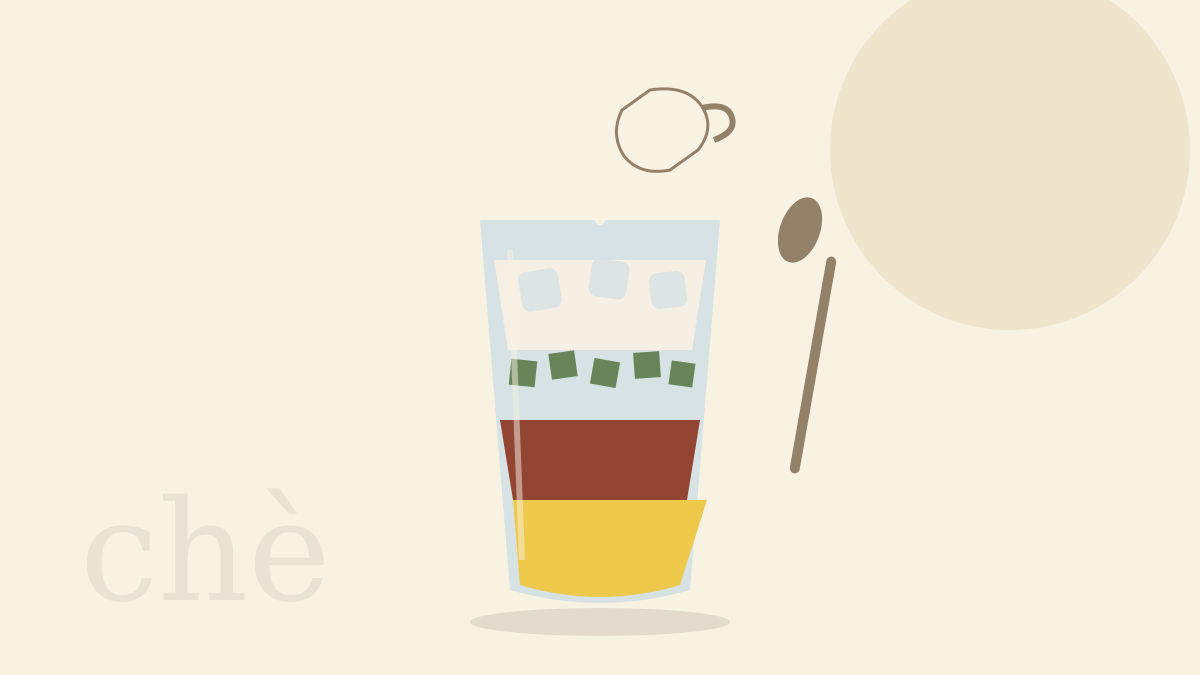
Chè ba màu's individual parts — sweetened mung bean, sweetened red bean, pandan jelly — belong to the same centuries-old chè tradition that runs through this entire site, sweet soups and puddings built on beans, rice, and whatever fruit or starch a season offered. What's specifically new, and specifically tied to the Vietnamese diaspora, is the presentation: three distinct-colored layers stacked in a tall glass, crushed ice on top, coconut milk poured over at the table. Vietnamese communities that resettled abroad from the 1980s onward popularized this exact format on their own menus, and English-speaking customers, charmed by the visual, renamed it "rainbow dessert" — a label that traveled back into Vietnamese-American shorthand even though no Vietnamese menu at home calls it that.
Making it well is a lesson in letting cooked things fully cool before they meet each other: a warm bean layer melts the jelly cubes on contact and muddies every color underneath, turning a photograph-ready glass into a uniform beige. Cook each layer separately, cool each one completely, and the reward is a dessert that looks like architecture until the first spoon stirs it into exactly what it always was — bean, jelly, coconut, and ice, dressed up for a photo before being stirred back into one honest, sweet mess.
Cool every layer to room temperature before it goes anywhere near the glass. A warm bean layer melts the pandan jelly cubes on contact and bleeds its color into the layer above it — patience here is the only technique this dessert actually demands.
Lời đầu bếp · A word from the kitchen
Ingredientsnguyên liệu
Serves 4
Sweetened mung bean layer
- 150 gsplit, peeled mung beans — about ¾ cup, soaked 2 hours or overnight
- 300 mlwater — 1¼ cups, for steaming or simmering the beans
- 60 gsugar — about ¼ cup, to taste
- 1pinch salt
Sweetened red bean layer
- 150 gdried adzuki (red) beans — about ¾ cup, soaked overnight — this layer needs the longest lead time
- 500 mlwater — about 2 cups, for simmering
- 70 gsugar — about ⅓ cup
- 1pinch salt
Pandan jelly layer
- 4 gagar agar powder — about 1½ tsp — not gelatin; agar sets firm enough to cube and hold its shape in the glass
- 400 mlwater — 1⅔ cups
- 60 gsugar — about ¼ cup
- 1 tsppandan extract, or 4 pandan leaves, blended and strained — for the color and grassy-vanilla scent that names the layer
To assemble
- 400 mlcoconut milk — 1⅔ cups, the thick canned kind
- 0.5 tspfine salt — stirred into the coconut milk — non-negotiable against this much sugar
- 4cups crushed ice
Methodcách làm
Step 1: Cook the mung bean layer
Steam or simmer the soaked mung beans in the water until fully soft, 15 to 20 minutes, then mash roughly with the sugar and salt while still warm — mashed, not puréed, so the layer keeps some bite. Cool completely before assembling.
Step 2: Cook the red bean layer
Simmer the soaked adzuki beans in fresh water, covered, 45 to 60 minutes until tender but not blown apart, topping up water as needed. Drain most of the liquid, stir in the sugar and salt, and simmer 5 minutes more to glaze the beans. Cool completely.
Step 3: Set the pandan jelly
Whisk the agar powder into the cold water before heating — agar clumps if added to hot liquid. Bring to a boil, stirring, until fully dissolved, then add the sugar and pandan extract. Pour into a shallow dish and let set at room temperature, about 20 minutes, then cut into small cubes.
Step 4: Season the coconut milk
Stir the salt into the coconut milk until dissolved. This is the layer that ties the whole glass together, and unsalted coconut milk against three sweet layers tastes flat and one-note.
Step 5: Layer the glass
Spoon mung bean into the bottom of each glass, then red bean, then a layer of pandan jelly cubes, working gently so the layers stay distinct rather than mixing at the seams. Fill the rest of the glass with crushed ice.
Step 6: Finish and serve
Pour the salted coconut milk over the ice just before serving, and hand out long spoons. The proper way to eat it is to stir everything together at the table — the beautiful layers exist to be destroyed by the first bite, not preserved.
Đồ nghề · The tools
Equipment
Portable gas burner
Bếp ga miniLẩu is not lẩu if someone has to keep walking to the stove. The tabletop butane burner turns a pot of broth into a two-hour dinner party.
Shop on Amazon →Bamboo steamer
Xửng hấpFor bánh bao, xôi, and fish steamed whole — bamboo breathes, so nothing drips condensation back onto your work. Line it with a cabbage leaf, not parchment, and steal the leaf after.
Shop on Amazon →
Equipment links are Amazon affiliate links. As an Amazon Associate we earn from qualifying purchases, at no cost to you. Disclosure.
Questions from the kitchen
Why is this called "chè ba màu" when I sometimes see more than three colors?
"Ba màu" means three colors, naming the original core layers — yellow mung bean, red adzuki bean, and green pandan jelly. Many versions today add a fourth or fifth element (jackfruit, taro, or coconut jelly) and keep the name anyway, the way "three-color" became a category more than a strict count, similar to how not every "seven-course beef" feast serves exactly seven.
Why does the diaspora era get credited, when the dish is clearly older?
The individual bean-and-jelly chè techniques are old, rooted in the same le-dynasty-era sweet-soup tradition as chè bắp and other chè on this site. But the specific tri-color, layered-in-a-glass presentation — and its renaming as "rainbow dessert" or "three-color dessert" on English-language menus — is squarely a diaspora-era phenomenon, popularized by Vietnamese communities abroad from the 1980s onward as the dish took on a new life and a new audience outside Vietnam.
Can I make the layers ahead of time?
Yes, and you should — cook the beans and set the jelly up to 3 days ahead, storing each separately in the fridge. Only assemble the glasses with ice and coconut milk right before serving; ice melts fast and a pre-assembled glass turns watery within the hour.
Nấu tiếp · Cook next
Keep the burner on
 Chè
ChèChè & Sweets·15 min·Beginner
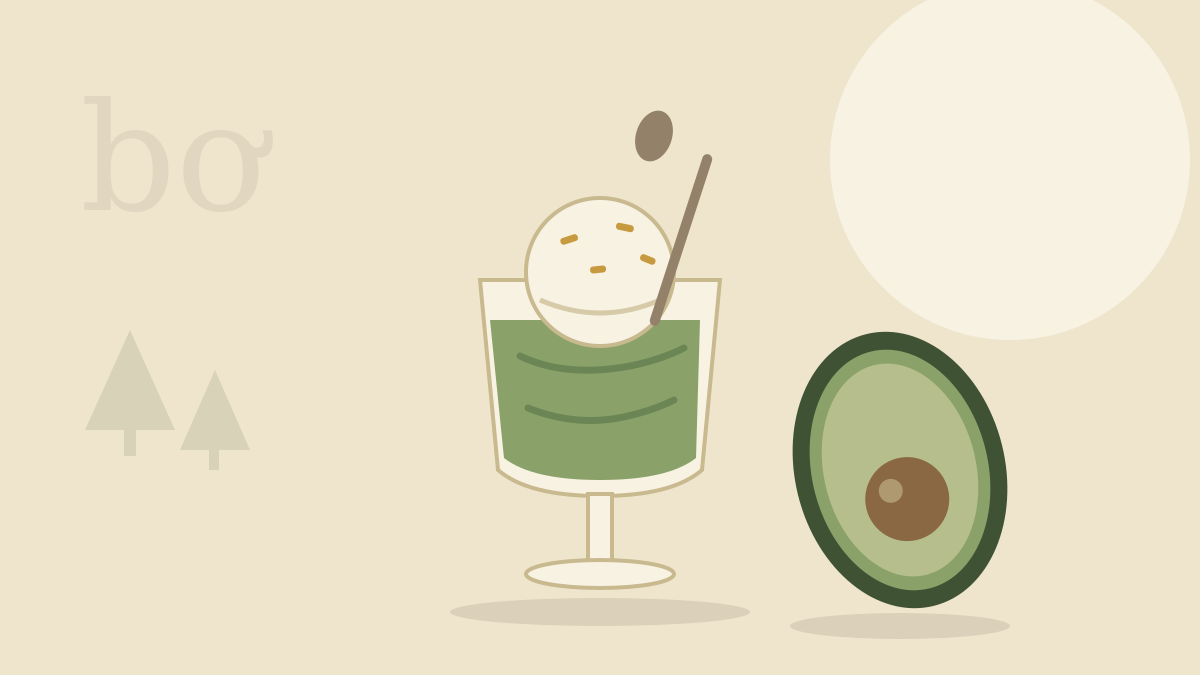
Đà Lạt Avocado CreamKem bơ
Đà Lạt's night-market original — chilled avocado blended dense as mousse under a scoop of coconut ice cream and toasted coconut. The highlands' proudest sweet.
 Chè
ChèChè & Sweets·55 min·Beginner
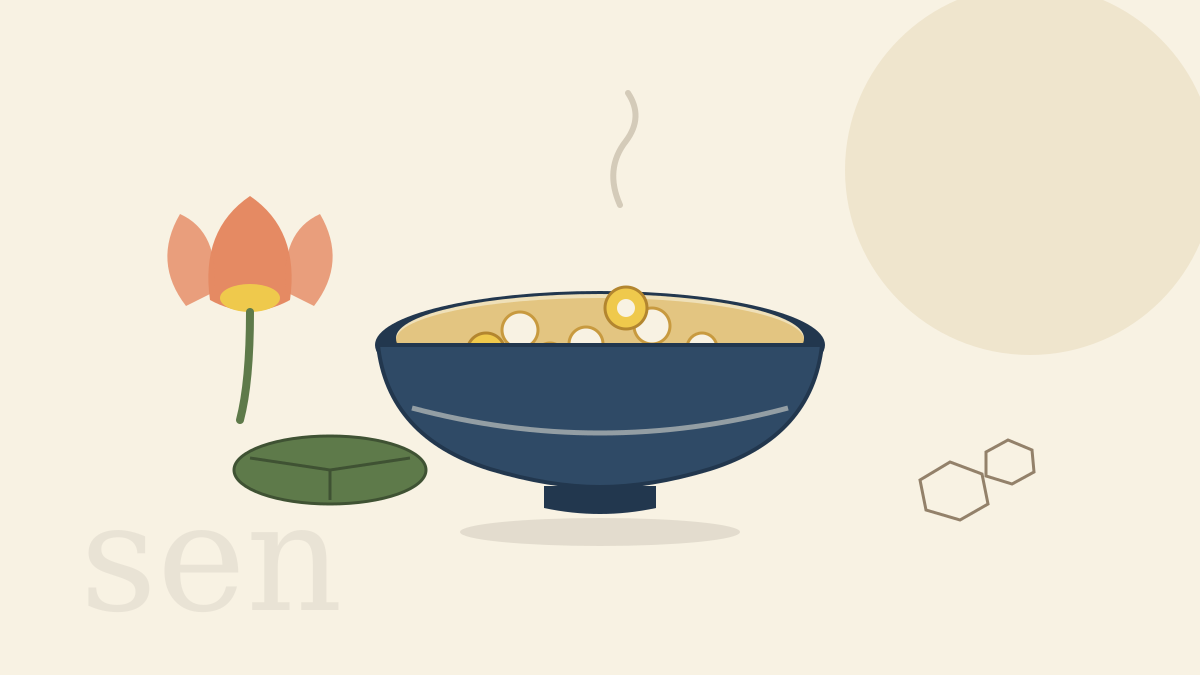
Lotus Seed ChèChè hạt sen
Lotus seeds simmered tender in rock-sugar syrup — a spare, temple-lineage Vietnamese sweet, served warm or iced, with an optional longan refinement from Huế.
 Chè
ChèChè & Sweets·60 min·Beginner
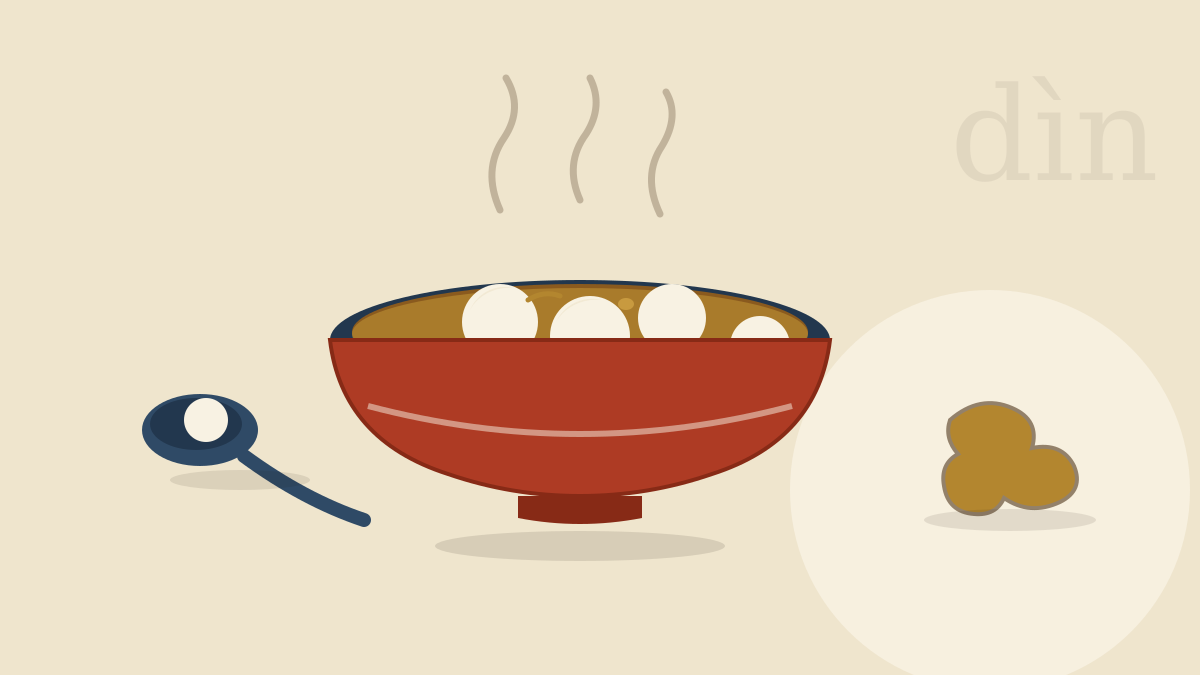
Sesame Rice Balls in Ginger SyrupSủi dìn
Warm glutinous rice balls with molten black sesame hearts in a ginger-hot syrup — the Hoa community's winter sweet from Hải Phòng's old Chinese quarter.