Cồn Hến Corn Chè
Chè bắp
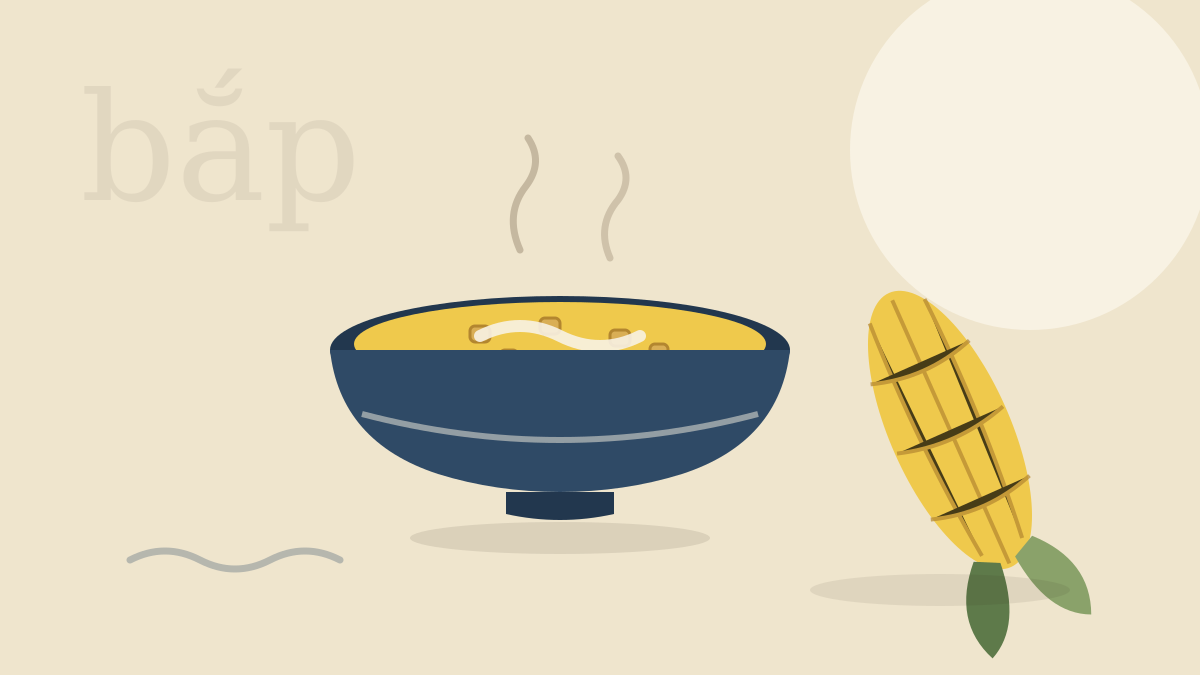
Chè bắp from Cồn Hến — young corn shaved off the cob into a light glutinous porridge, the cobs simmered for stock, finished with salted coconut cream.
By Vietnamese Cookbook Kitchen · May 25, 2026
Huế & the Imperial CourtThe Lê Dynasty era, 1428–1789
 Chè
Chè- Prep
- 20 min
- Cook
- 30 min
- Serves
- 6
- Level
- Beginner
Cồn Hến is a comma of silt in the Perfume River, and this site has been there before: the baby-clam rice cơm hến comes from the same few acres. The islet's other crop is corn — bắp, in the central and southern word — grown in alluvial soil so generous that Huế treats "bắp Cồn Hến" as a brand name. Corn is an arrival, not a native: it reached Vietnam in the seventeenth century, in the late Lê dynasty's trading world, and the islet's farmers folded it into the oldest dessert logic there is — chè, sweet rice porridge, the pantry's gentlest showing-off.
The dish's quiet genius is thrift: the cobs, simmered, are the stock, carrying more corn perfume than the kernels themselves. Young corn shaved thin, glutinous rice for body, salted coconut cream against the sweetness — that's the whole roster. Eat a bowl warm, then take the ferry logic backwards and make cơm hến for dinner; the islet has always fed Huế both courses.
Shave the kernels thin — two or three passes of the knife down each row, not one proud slice. Chè bắp should eat like corn suspended in silk, not like soup with corn in it.
Lời đầu bếp · A word from the kitchen
Ingredientsnguyên liệu
Serves 6
Chè
- 4ears young sweet corn, husks on — the milkier and younger the better; glutinous (waxy) corn from an Asian market is closest to Cồn Hến's — see the FAQ
- 60 gglutinous rice — about ⅓ cup — rinsed and soaked 30 minutes
- 100 gsugar — about ½ cup; rock sugar, gently cracked, if you have it
- 1.2 lwater — 5 cups, for the cob stock
- 1pandan leaf, knotted — optional but very Huế; omit rather than substitute
- 1pinch fine salt
Coconut cream topping
- 200 mlcoconut milk — about ¾ cup plus 2 tbsp — the thick top of an unshaken can is ideal
- 1 tsptapioca starch
- 0.5 tspsugar
- 1pinch fine salt — non-negotiable — unsalted coconut cream tastes flat against sweet corn
- 1 tbsptoasted sesame seeds — to finish
Methodcách làm
Step 1: Shave the corn, save the cobs
Husk the corn and shave the kernels off thin with two or three shallow passes per row, then run the back of the knife down each bare cob to press out the milk. Keep every cob — they carry more corn flavor than the kernels do, and they are about to become the stock.
Step 2: Simmer the cob stock
Simmer the naked cobs and the pandan knot in the water, covered, for 15 minutes, then fish them out. What's left should smell like a cornfield after rain; this liquid is the difference between chè bắp and sweet corn in syrup.
Step 3: Cook the rice into silk
Add the soaked glutinous rice to the simmering stock and cook gently, stirring now and then so nothing catches, until the grains go translucent and the liquid thickens to a light porridge — about 15 minutes.
Step 4: Add corn and sugar
Stir in the shaved corn and its milk, cook five minutes more, then add the sugar and salt off the boil, tasting as you go — young corn varies, and the chè should finish gently sweet, not dessert-loud. It will thicken further as it cools.
Step 5: Make the coconut cream and serve
Warm the coconut milk with the tapioca starch, sugar, and salt, stirring until it barely thickens — two minutes. Ladle the chè into small bowls, pour a ribbon of cream over each, and scatter with sesame. Serve warm in the rain, at room temperature in the heat, or chilled over ice without apology.
Questions from the kitchen
Can I use canned or frozen corn?
Frozen kernels make a respectable off-season chè — thaw, chop roughly, and lean harder on the tapioca since you'll have no cobs and no corn milk (use 2 tsp, and swap 400 ml of the water for more coconut milk). Canned corn arrives pre-cooked and faintly metallic; it is the one shortcut this dish refuses.
Why glutinous corn, and where do I find it?
Bắp nếp — waxy corn — is starchier and chewier than supermarket sweet corn, which is why real chè bắp is only mildly sweet with a sticky body. Asian markets sell it steamed in vacuum packs or frozen on the cob, often labeled waxy or sticky corn. Ordinary young sweet corn works; just cut the sugar a little.
Warm or cold?
Both are canonical. On Cồn Hến it's ladled warm from the pot in the morning and poured over ice by afternoon. Warm flatters the corn perfume; cold flatters the texture. The only wrong temperature is day-old and unstirred — the rice sets, so loosen leftovers with a splash of water over low heat.
Nấu tiếp · Cook next
Keep the burner on
 Chè
ChèChè & Sweets·15 min·Beginner
Đà Lạt Avocado CreamKem bơ
Đà Lạt's night-market original — chilled avocado blended dense as mousse under a scoop of coconut ice cream and toasted coconut. The highlands' proudest sweet.
 Chè
ChèChè & Sweets·55 min·Beginner
Lotus Seed ChèChè hạt sen
Lotus seeds simmered tender in rock-sugar syrup — a spare, temple-lineage Vietnamese sweet, served warm or iced, with an optional longan refinement from Huế.
 Chè
ChèChè & Sweets·60 min·Beginner
Sesame Rice Balls in Ginger SyrupSủi dìn
Warm glutinous rice balls with molten black sesame hearts in a ginger-hot syrup — the Hoa community's winter sweet from Hải Phòng's old Chinese quarter.