Banana-Coconut Chè
Chè chuối
Overripe bananas simmered in coconut milk and tapioca pearls until the fruit turns jammy — the Mekong Delta's warm, everyday chè, served hot or cold.
By Vietnamese Cookbook Kitchen · May 12, 2026
The Mekong DeltaThe Lê Dynasty era, 1428–1789
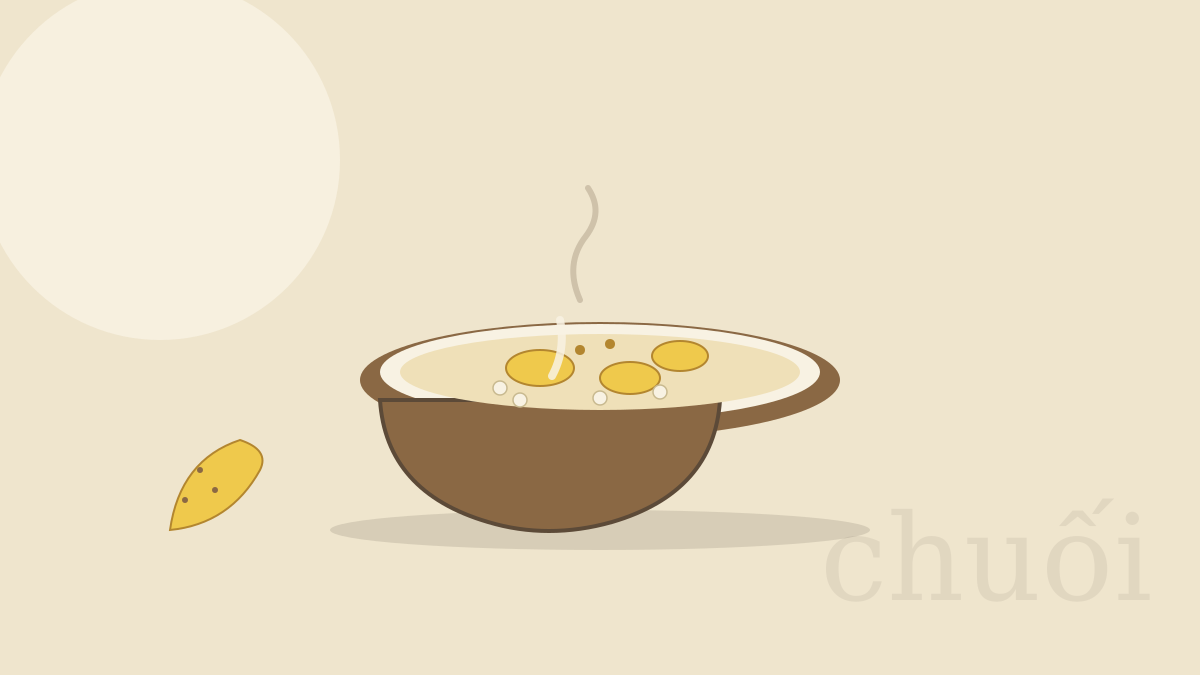 Chè
Chè- Prep
- 15 min
- Cook
- 25 min
- Serves
- 4
- Level
- Beginner
Chè — the enormous family of Vietnamese sweet soups, puddings, and drinks that closes a meal or fills an afternoon — has no single more everyday member in the Mekong Delta than chè chuối. Bananas grow everywhere in the delta's dooryard gardens, and this dessert is what happens to the bunch nobody ate in time: fruit gone soft and freckled, too ripe for the fruit bowl but exactly right for a pot of coconut milk. It's a dish born of using what's on hand rather than following a special occasion, the kind of chè grandmothers make without measuring because they've made it hundreds of times.
The whole recipe hinges on a single unfussy piece of doctrine: the riper the banana, the better the chè, since an underripe one stays starchy and faintly bitter no matter how long it simmers. Tapioca pearls need their own patience — soaked ahead, simmered until they turn glassy clear, never rushed off the heat while a white core still hides in the middle. What comes together is warm, sweet, a little rustic looking, and genuinely one of the most comforting things in the whole chè repertoire — best eaten from a bowl still warm enough to fog a spoon.
Buy your bananas a week before you plan to cook — chè chuối wants fruit that's freckled brown and almost too soft to peel neatly. A firm, barely ripe banana turns starchy in the pot instead of melting into the coconut milk.
Lời đầu bếp · A word from the kitchen
Ingredientsnguyên liệu
Serves 4
Chè
- 8very ripe bananas (chuối xiêm or chuối sứ preferred) — heavily speckled or fully brown-skinned; regular Cavendish bananas work if left to ripen past the point you'd normally eat them — soft, sweet, and starting to smell strongly banana
- 60 gsmall tapioca pearls — not the large boba-style pearls — the small ones sold for chè, soaked in cold water 20 minutes before cooking
- 400 mlcoconut milk — one standard can
- 300 mlwater
- 80 gsugar — scant ½ cup — adjust down if your bananas are very ripe and already sweet
- 0.25 tspfine salt
- 1pandan leaf, tied in a knot — optional, for aroma — frozen pandan leaf works if fresh isn't available
To serve
- 60 mlcoconut cream — the thick kind, warmed separately for drizzling
- 30 groasted peanuts — crushed
- 1 tsptoasted sesame seeds — optional
Methodcách làm
Step 1: Soak the tapioca pearls
Cover the small tapioca pearls in cold water and let them soak 20 minutes while you peel the bananas. This head start keeps them from staying chalky in the center once they hit the pot.
Step 2: Peel and cut the bananas
Peel the bananas and cut them into thick rounds or halve them lengthwise, whichever you prefer for the final look. Very ripe fruit bruises easily — handle it gently and don't rush the peeling.
Step 3: Simmer the base
Bring the water, half the coconut milk, sugar, salt, and pandan leaf to a gentle simmer in a wide pot. Drain the tapioca pearls and stir them in, cooking 8 to 10 minutes until they turn from opaque white to translucent at the edges.
Step 4: Add the bananas
Slide in the banana pieces and simmer gently, uncovered, for 8 to 10 minutes, until they've softened further and the pot smells fully of ripe banana and coconut. Stir just once or twice — the bananas break down on their own, and too much stirring turns them to mush before the tapioca is fully clear.
Step 5: Finish with the remaining coconut milk
Stir in the rest of the coconut milk and warm it through without boiling hard, another 2 minutes. Taste — the sweetness should feel generous but not cloying, since the peanuts and extra coconut cream on top will round it out further.
Step 6: Serve warm, with cream on top
Remove the pandan leaf and ladle the chè into bowls, hot or at room temperature — both are correct. Drizzle with the reserved warm coconut cream and finish with crushed peanuts and sesame seeds if using.
Questions from the kitchen
How ripe should the bananas really be?
Past the point most people would eat them out of hand — skins fully speckled brown or even mostly black, flesh soft enough to dent with light pressure. That overripeness is doctrine here, not a compromise: the starches have converted to sugar, and the fruit collapses into the coconut milk instead of holding a firm shape that never quite tastes sweet enough.
My tapioca pearls turned out chalky in the middle. What went wrong?
Either they skipped the soak or came out of the pot too soon — small tapioca pearls need the full 8 to 10 minutes of active simmering after a 20-minute soak to turn fully translucent all the way through. If you see an opaque white dot at the center of a pearl when you bite it, give the pot a few more minutes.
Can I make this ahead and reheat it?
Yes, though the texture shifts slightly — tapioca pearls firm up as they cool and can turn a touch chewy on reheating. Warm it gently over low heat with a splash of water or coconut milk to loosen it back up, and add the fresh coconut cream drizzle only at serving time.
Nấu tiếp · Cook next
Keep the burner on
 Chè
ChèChè & Sweets·15 min·Beginner
Đà Lạt Avocado CreamKem bơ
Đà Lạt's night-market original — chilled avocado blended dense as mousse under a scoop of coconut ice cream and toasted coconut. The highlands' proudest sweet.
 Chè
ChèChè & Sweets·55 min·Beginner
Lotus Seed ChèChè hạt sen
Lotus seeds simmered tender in rock-sugar syrup — a spare, temple-lineage Vietnamese sweet, served warm or iced, with an optional longan refinement from Huế.
 Chè
ChèChè & Sweets·60 min·Beginner
Sesame Rice Balls in Ginger SyrupSủi dìn
Warm glutinous rice balls with molten black sesame hearts in a ginger-hot syrup — the Hoa community's winter sweet from Hải Phòng's old Chinese quarter.