Young Green Rice Chè
Chè cốm
Autumn's chè — young green rice from Làng Vòng simmered into a jade pudding with pandan and coconut milk, proof that Hanoi takes its seasons personally.
By Vietnamese Cookbook Kitchen · May 22, 2026
Hà Nội & the Red River DeltaThe Lê Dynasty era, 1428–1789
 Chè
Chè- Prep
- 10 min
- Cook
- 20 min
- Serves
- 4
- Level
- Beginner
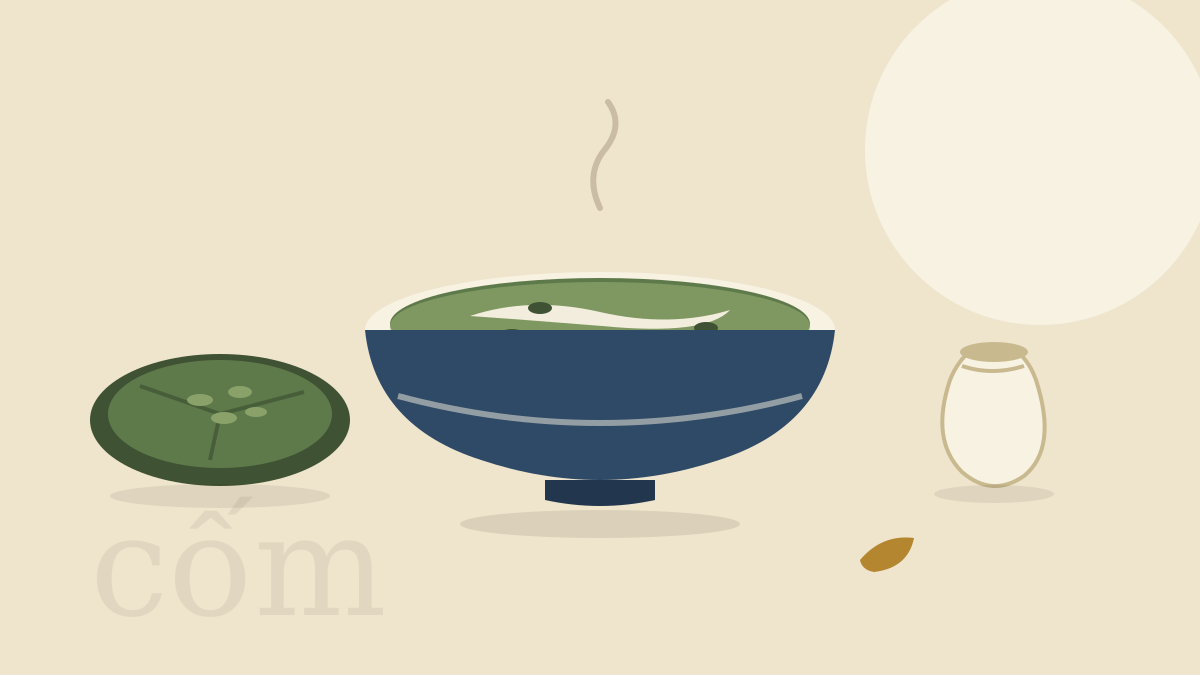
Hanoi's autumn has an official flavor, and it is cốm: glutinous rice cut young and green, roasted and pounded flat in the villages west of the city, above all Làng Vòng, whose name has been shorthand for the best cốm for centuries. The flakes are sold wrapped in lotus leaves, and the season is short enough that people speak of it the way other cities speak of foliage. Cốm is eaten plain by the pinch, pressed into bánh cốm for weddings, folded into chả cốm — and simmered into this chè, the gentlest thing the northern sweet-soup repertoire produces.
The cooking is ten honest minutes; the discipline is all restraint. Cốm goes in last and simmers in minutes, not the pot's full run — long enough to swell into soft jade, short enough to keep its grassy young-rice perfume, which is the entire argument for the dish. A thread of salted coconut milk on top does what a good frame does for a small painting. Serve it in your smallest bowls; chè cốm is a season, and seasons are best in sips.
Sweeten shy. Cốm's whole personality is a grassy, milky delicacy that sugar can shout down without noticing it did.
Lời đầu bếp · A word from the kitchen
Ingredientsnguyên liệu
Serves 4
The chè
- 150 gcốm (young green sticky rice) — about 1.5 cups — fresh if you are lucky, frozen or dried from a Vietnamese market if you are like the rest of us; see the FAQ
- 750 mlwater — 3 cups
- 90 gsugar — about 7 tbsp — start here, adjust down before up
- 3 tbsparrowroot or kudzu starch (bột sắn dây) — slurried in 60 ml cold water; tapioca starch substitutes cleanly
- 2pandan leaves — tied in a knot; a drop of pandan extract at a pinch, or omit — cốm can carry the pot alone
- 1 pinchfine salt
Coconut finish
- 200 mlcoconut milk — about 3/4 cup, the thick top of the can
- 1/4 tspfine salt
- 1 tspsugar
Methodcách làm
Step 1: Ready the cốm
Frozen cốm needs only a rinse and ten minutes at room temperature; dried cốm wants a 10-minute soak in cool water until the flakes relax, then a thorough drain. Fresh cốm — should you be so blessed — is used exactly as it comes, and you skip to the pot.
Step 2: Scent the water
Bring the water, sugar, salt, and knotted pandan to a simmer and let it run five minutes, until the kitchen smells faintly of new grass and vanilla. Fish out the pandan — it has said what it came to say.
Step 3: Thicken to a loose jade
Stir the starch slurry once more and pour it into the simmering syrup in a thin stream, stirring, until the liquid turns glossy and coats the spoon like warm honey. Chè cốm is a loose pudding, not a jelly — it should still pour, reluctantly.
Step 4: Add the cốm last
Scatter in the cốm and simmer just 2 to 3 minutes, until the flakes swell and turn a deeper jade. This is the step that decides everything — cốm cooked longer dissolves into porridge and takes its perfume with it.
Step 5: Finish with coconut
Warm the coconut milk with its salt and sugar in a small pan — do not boil it. Ladle the chè into small bowls, pour a white ribbon of coconut over each, and serve warm in autumn or chilled the rest of the year.
Questions from the kitchen
What exactly is cốm, and can I get it abroad?
Cốm is glutinous rice harvested young and green, roasted and pounded flat while still milky — a delicacy Hanoi ties to Làng Vòng village and to autumn specifically. Abroad, look in Vietnamese groceries for frozen cốm in flat vacuum packs (best) or dried cốm in cellophane (fine, soak it first). Thai "pinpig" green rice flakes are the same idea and an acceptable understudy.
Can I make it ahead?
The starch base keeps two days in the fridge and thickens as it chills — loosen it with a splash of water over low heat. But add cốm only on the day you serve; it drinks the syrup overnight and goes from jade flakes to green oatmeal by morning.
My chè turned cloudy and thick. What happened?
The pot boiled hard after the starch went in, or the cốm oversimmered and shed its own starch into the syrup. Keep everything at a murmur once the slurry hits, and hold the cốm to its three minutes. Cloudy chè still tastes lovely — it just loses the jewel-box look the dish is dressed for.
Nấu tiếp · Cook next
Keep the burner on
 Chè
ChèChè & Sweets·15 min·Beginner
Đà Lạt Avocado CreamKem bơ
Đà Lạt's night-market original — chilled avocado blended dense as mousse under a scoop of coconut ice cream and toasted coconut. The highlands' proudest sweet.
 Chè
ChèChè & Sweets·55 min·Beginner
Lotus Seed ChèChè hạt sen
Lotus seeds simmered tender in rock-sugar syrup — a spare, temple-lineage Vietnamese sweet, served warm or iced, with an optional longan refinement from Huế.
 Chè
ChèChè & Sweets·60 min·Beginner
Sesame Rice Balls in Ginger SyrupSủi dìn
Warm glutinous rice balls with molten black sesame hearts in a ginger-hot syrup — the Hoa community's winter sweet from Hải Phòng's old Chinese quarter.