Five-Color Sticky Rice
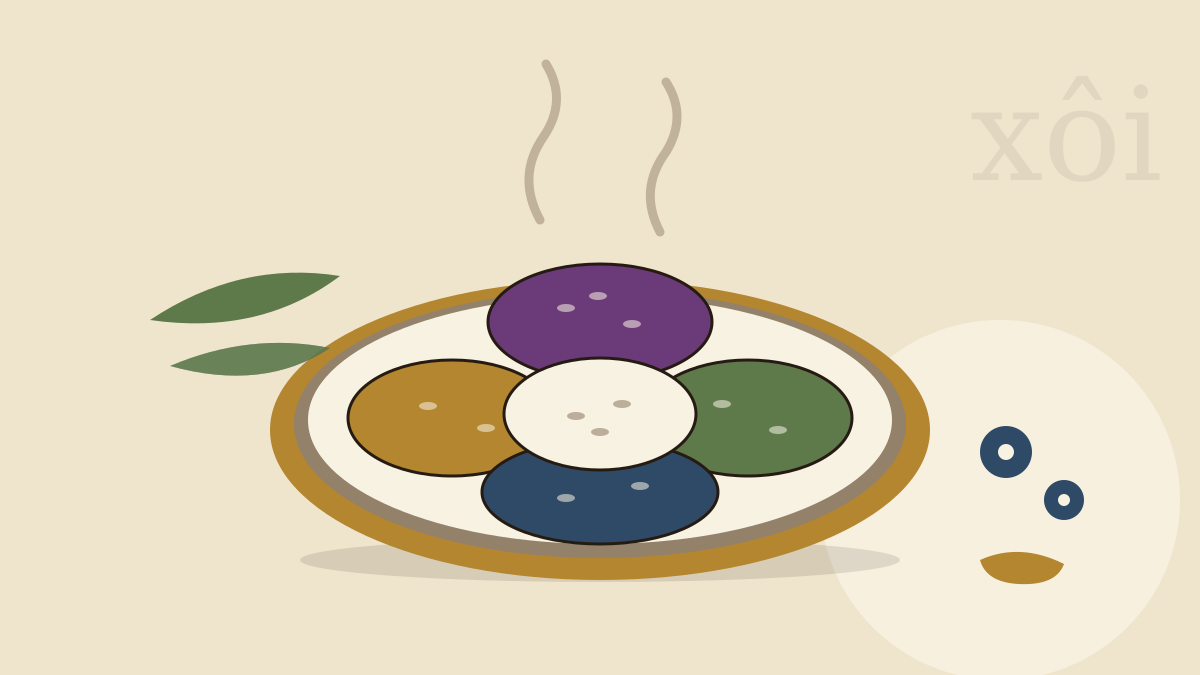
Xôi ngũ sắc
Tày celebration sticky rice steamed in five natural colors — magenta leaf, turmeric, pandan, butterfly pea — with honest substitutes for every dye.
By Vietnamese Cookbook Kitchen · June 10, 2026
The Northern HighlandsLý & Trần era, 1009–1400
 Chè
Chè- Prep
- 45 min
- Cook
- 45 min
- Serves
- 8
- Level
- Intermediate
In the valleys around Cao Bằng and Bắc Kạn, Tày families cook xôi ngũ sắc for the days the calendar underlines — Lunar New Year, weddings, the third month's tomb-sweeping festival. Five colors, five elements: the mountain explanation maps them to earth, water, fire, wood, and metal, a five-way scheme of the kind that has organized Vietnamese cosmology since the Lý and Trần courts made such correspondences the common grammar of ritual life. A good platter of it is a blessing you can eat.
Everything difficult about this recipe happens while you sleep. The dye goes into the soaking water, and the soaking water goes into the grain — overnight, or not at all. Rice tinted after cooking looks like a craft accident; rice that drank its color for eight hours steams up translucent and jeweled, each grain lit from inside. Build the four baths in the evening, divide the rice, and the morning's work is just a steamer and forty minutes.
Treat the five colors as five small recipes sharing one pot and you won't be overwhelmed. And resist the urge to skip white — set among purple, gold, green, and blue, the plain rice is what proves the others are real. Every showpiece needs one quiet element, and the Tày, who have cooked this for generations of festivals, put it dead center.
Dye the soaking water, never the cooked rice — color that goes in overnight steams up jewel-bright, color stirred in later just makes stained rice.
Lời đầu bếp · A word from the kitchen
Ingredientsnguyên liệu
Serves 8
The rice
- 1 kgglutinous rice (gạo nếp) — about 5 cups — labeled sweet or sticky rice; jasmine rice will not work here
- 1 tspfine salt — divided among the five soaking bowls
- 60 mlcoconut milk — 4 tbsp, optional — brushed on at the end, a lowland habit the mountains would forgive
The five dyes
- 50 gmagenta plant leaves (lá cẩm) — simmered for the purple-red bath; substitute 1 small raw beet, grated — the color leans redder but holds
- 2 tspground turmeric — or 30 g fresh, pounded — the yellow
- 8pandan leaves — blended with water and strained — the green; 1 tsp pandan extract is the honest shortcut
- 10dried butterfly pea flowers — steeped for the blue; a few drops of lime juice shift the same bath toward violet
- 1nothing at all — the fifth color is white — plain soaking water, and it matters as much as the others
Methodcách làm
Step 1: Make the four dye baths
Simmer the lá cẩm (or grated beet) in 500 ml water for 10 minutes and strain. Whisk turmeric into 500 ml warm water. Blend pandan with 500 ml water and strain hard through cloth. Steep butterfly pea flowers in 500 ml hot water until deep blue, about 10 minutes. Cool every bath completely — warm water starts the rice cooking before you want it to.
Step 2: Divide and soak overnight
Rinse the rice until the water runs nearly clear, then split it among five bowls with a pinch of salt each — four dye baths and one of plain water. Soak 8 hours or overnight. The grains should crush between two fingers and each bowl should look improbably vivid; the rice keeps only part of what you see.
Step 3: Drain and load the steamer
Drain each color in its own sieve — never rinse, or the night's work runs off — and arrange them as five separate mounds in a cloth-lined steamer, white in the center, with foil folded into low walls between colors if your steamer crowds them. Leave gaps for steam to climb.
Step 4: Steam, sprinkle, steam again
Steam over hard-boiling water for 20 minutes, then sprinkle each mound with a spoonful of its reserved dye (plain water for the white) and steam 15 to 20 minutes more, until the grains are glossy and tender with no chalky center. The mid-steam sprinkle is what keeps the surface grains as bright as the buried ones.
Step 5: Finish and shape
Brush with coconut milk if using, rest 5 minutes off the heat, then pack the colors into a ring mold or shape them into a five-petal flower on a platter, white at the heart. Serve warm — with grilled meats, sesame salt, or nothing but the occasion.
Đồ nghề · The tools
Equipment
Charcoal grill / grill pan
Vỉ nướngNướng means fire, and lemongrass pork wants char and smoke. A small charcoal grill is the true answer; a screaming-hot cast-iron grill pan under a cracked window is the honest apartment one.
Shop on Amazon →Bamboo steamer
Xửng hấpFor bánh bao, xôi, and fish steamed whole — bamboo breathes, so nothing drips condensation back onto your work. Line it with a cabbage leaf, not parchment, and steal the leaf after.
Shop on Amazon →Mortar & pestle
Cối chàyLemongrass, garlic, and chilies pounded release oils a blender never finds — it bruises where blades slice. The sound of a Vietnamese kitchen starting dinner.
Shop on Amazon →Fine sieve / muslin
Rây lọcFor straining broth crystal-clear, squeezing coconut milk, and working tamarind pulp through into pure sour. Line it with muslin when the recipe says “clear” and means it.
Shop on Amazon →
Equipment links are Amazon affiliate links. As an Amazon Associate we earn from qualifying purchases, at no cost to you. Disclosure.
Questions from the kitchen
Where do I find lá cẩm and butterfly pea abroad?
Butterfly pea is the easy one — sold dried in most Asian markets and everywhere online as blue tea. Lá cẩm is harder; look for it frozen in Vietnamese groceries as la cam or magenta plant. If it defeats you, grated beet gives a warmer red-violet, and no one at the table will file a complaint.
Can I just use food coloring?
It will color the rice, but you lose what the dish is about — each plant scents its rice faintly, pandan most of all, and the Tày version is specifically a showcase of what the forest and garden can dye. Try the natural baths once before you decide the shortcut is worth it.
Why did my colors come out pale or muddy?
Three usual suspects — the soak was too short (color needs the full night to enter the grain), you rinsed after soaking, or the baths were weak. Butterfly pea also shifts with pH, so a splash of lime in the blue bath makes violet on purpose but an acidic bowl makes gray by accident.
Nấu tiếp · Cook next
Keep the burner on
 Chè
ChèChè & Sweets·15 min·Beginner
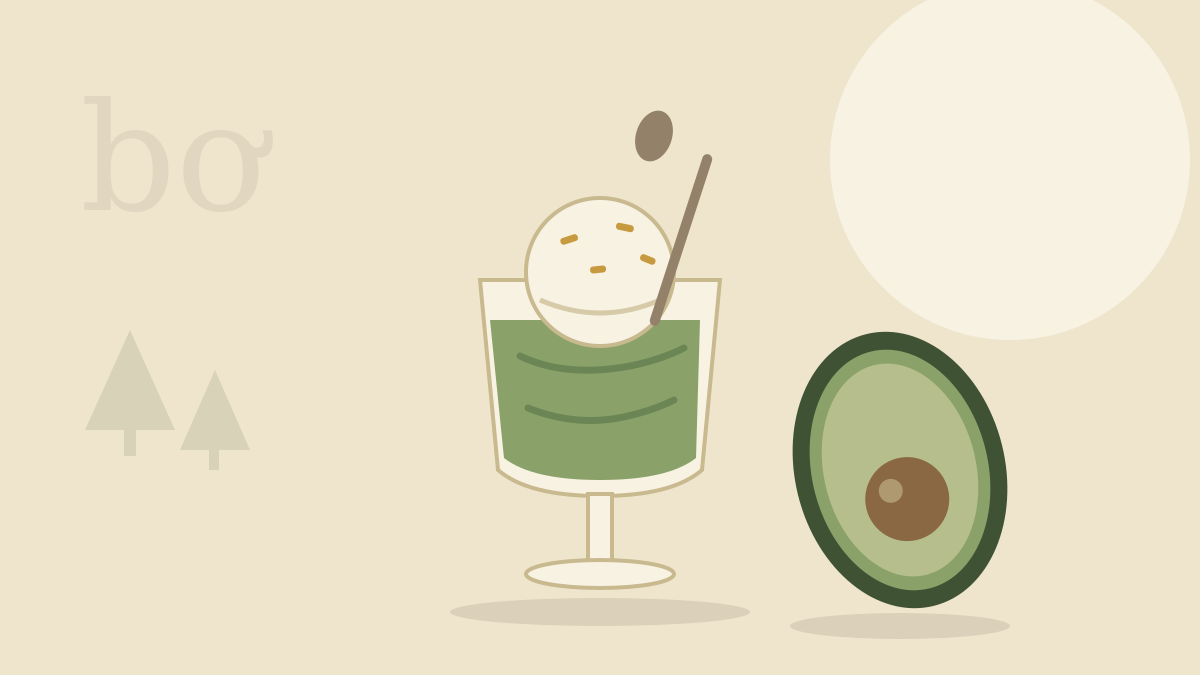
Đà Lạt Avocado CreamKem bơ
Đà Lạt's night-market original — chilled avocado blended dense as mousse under a scoop of coconut ice cream and toasted coconut. The highlands' proudest sweet.
 Chè
ChèChè & Sweets·55 min·Beginner
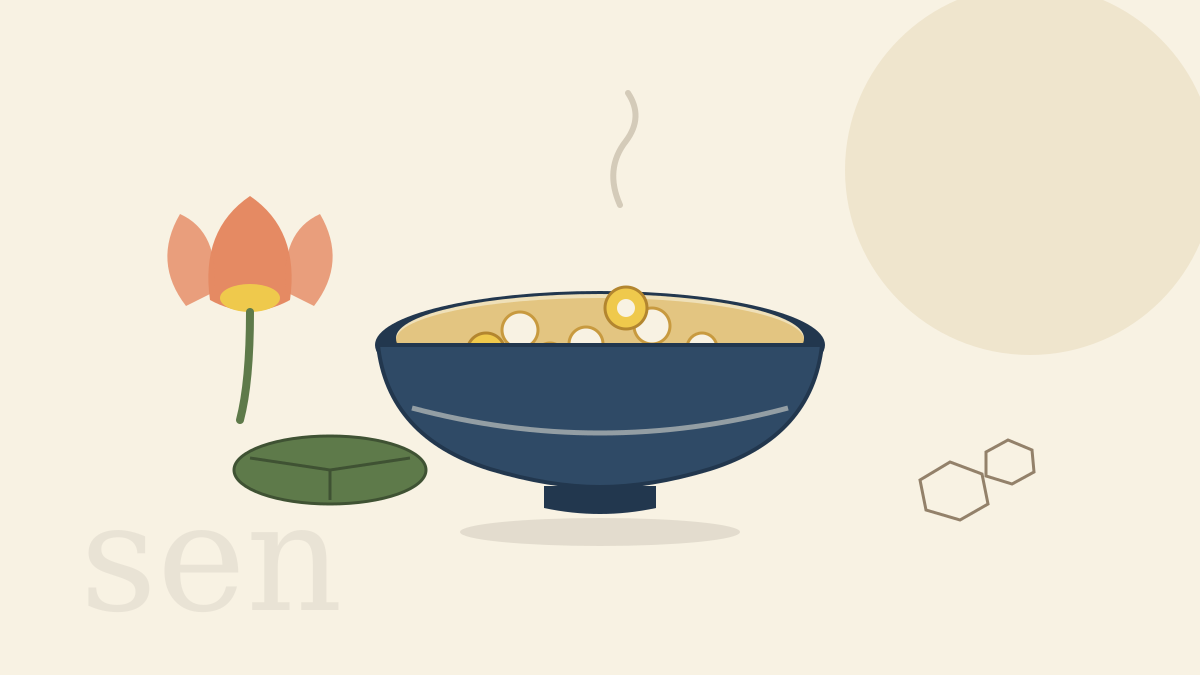
Lotus Seed ChèChè hạt sen
Lotus seeds simmered tender in rock-sugar syrup — a spare, temple-lineage Vietnamese sweet, served warm or iced, with an optional longan refinement from Huế.
 Chè
ChèChè & Sweets·60 min·Beginner
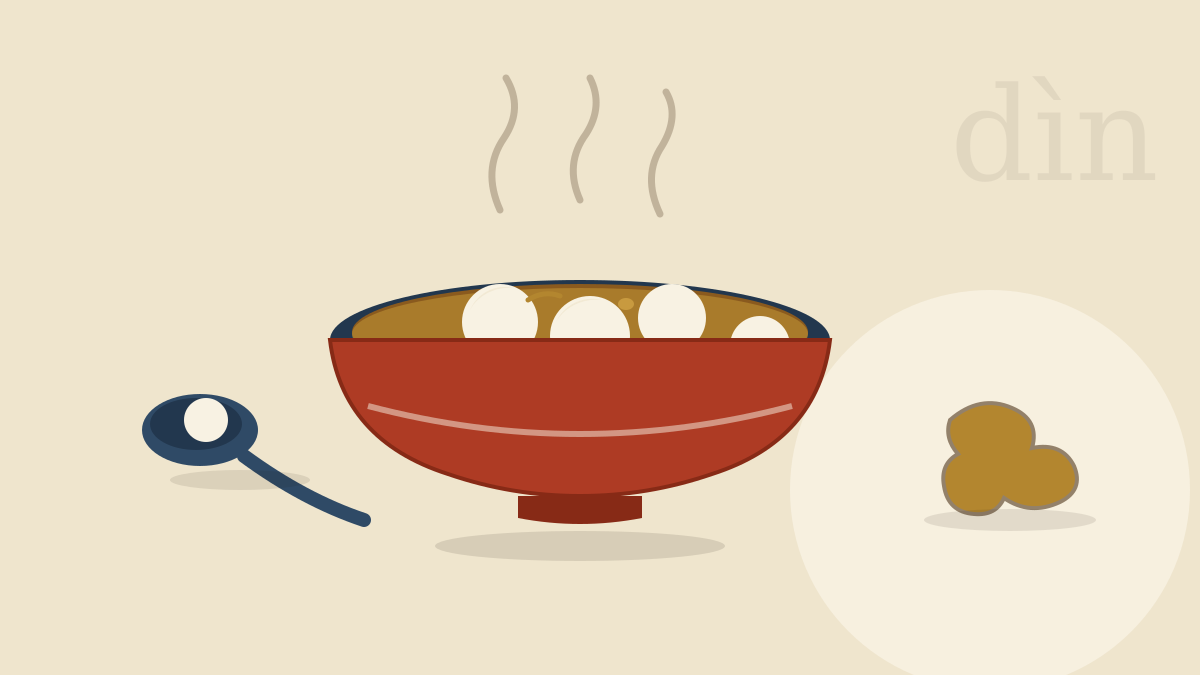
Sesame Rice Balls in Ginger SyrupSủi dìn
Warm glutinous rice balls with molten black sesame hearts in a ginger-hot syrup — the Hoa community's winter sweet from Hải Phòng's old Chinese quarter.